Shallimar Baghh

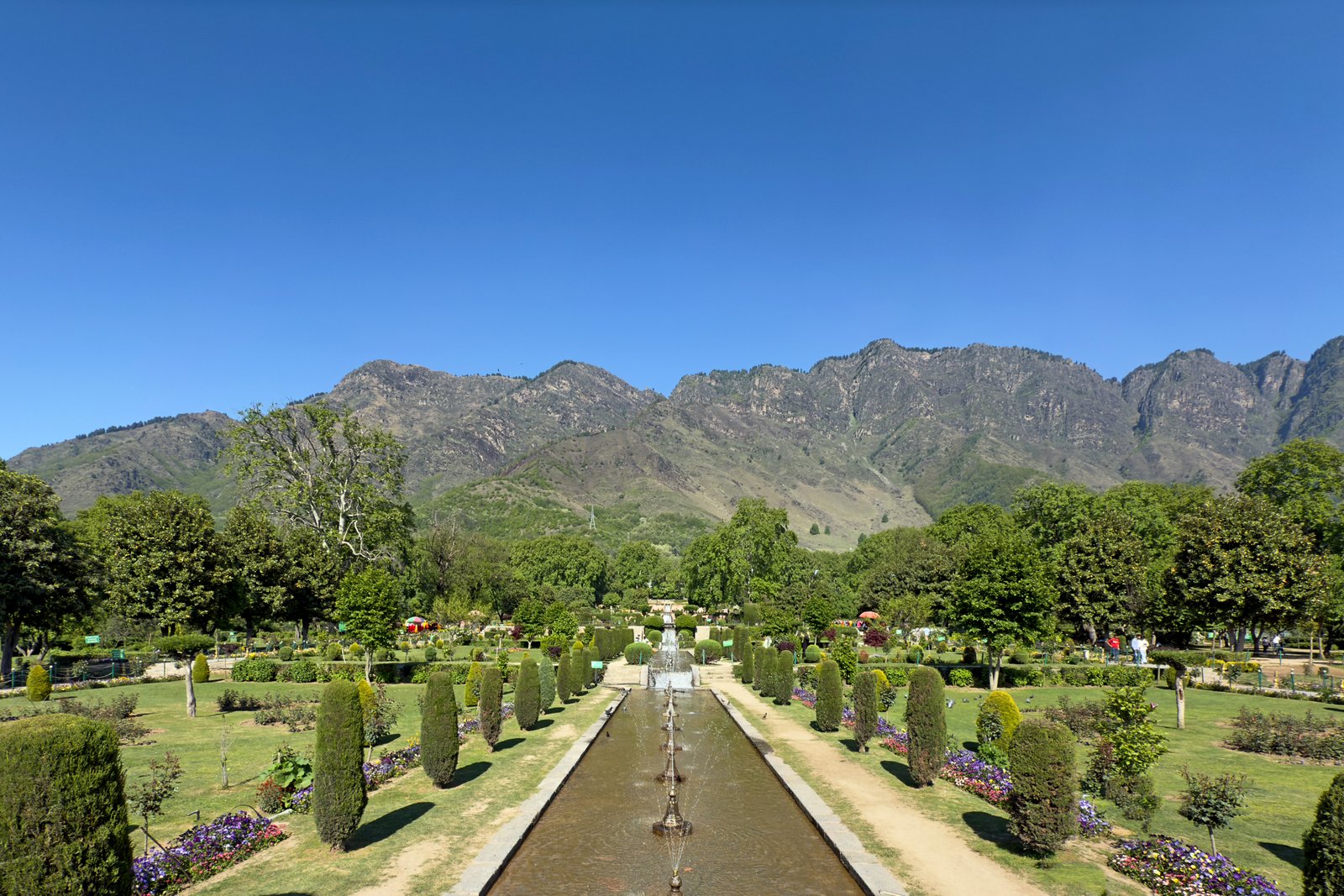
Located on the northeastern shore of Dal Lake in Srinagar, this garden was commissioned by Mughal Emperor Jahangir in 1619 for his wife, Empress Nur Jahan.
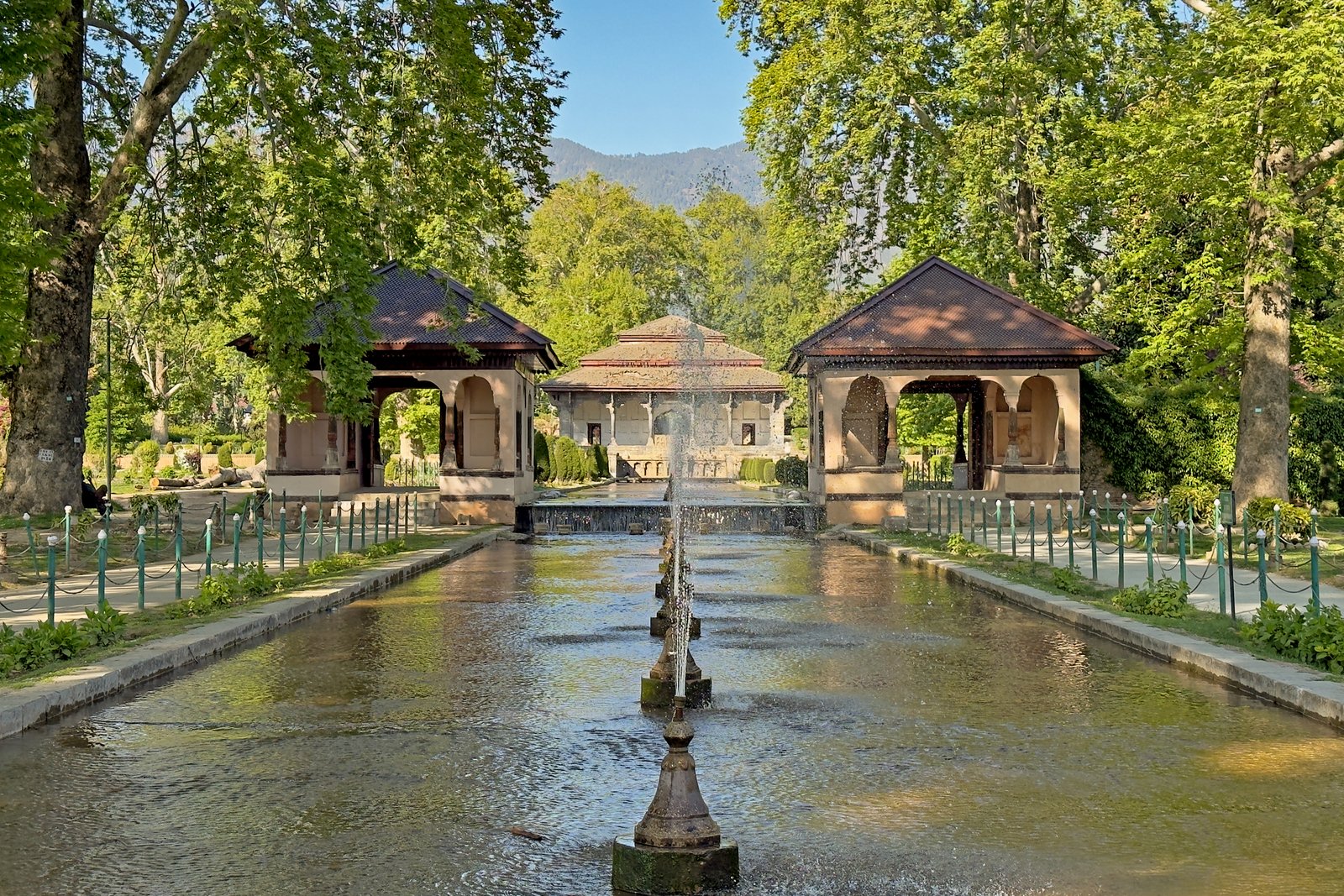
Located on the northeastern shore of Dal Lake in Srinagar, this garden was commissioned by Mughal Emperor Jahangir in 1619 for his wife, Empress Nur Jahan. Originally named Farah Baksh ("The Delightful"), it was later expanded by Emperor Shah Jahan in 1630 and renamed Faiz Baksh ("The Bountiful") 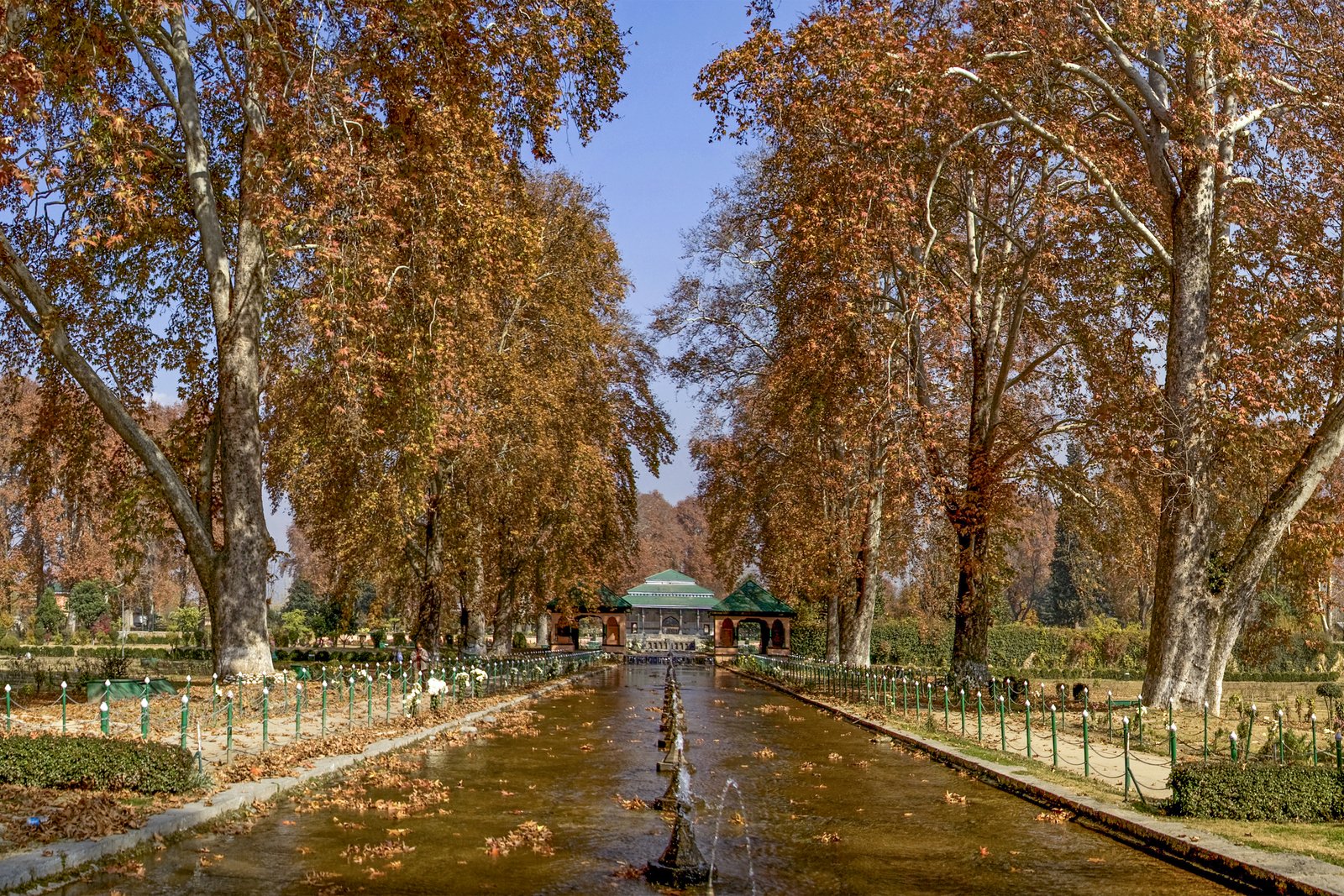
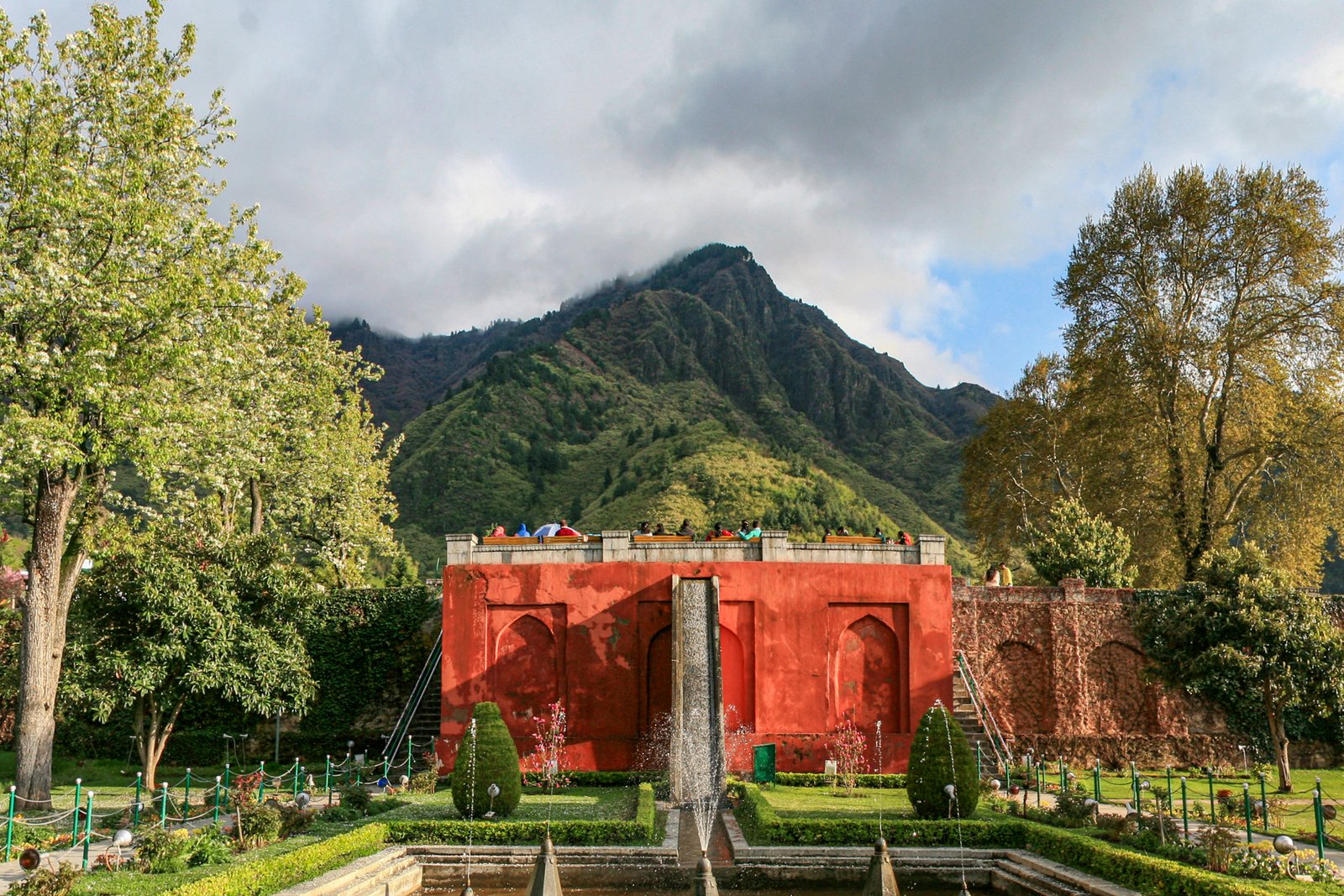
- Terraced Design: The garden is structured into three terraces, each serving a distinct purpose:
- Public Garden: The outermost terrace, accessible to the general public.
-
- Diwan-e-Khas: The middle terrace, reserved for the emperor's private audience.
-
- Zenana Garden: The innermost terrace, designated for the royal harem.
- Water Features: A central canal, known as the Shah Nahar, runs through the garden, feeding numerous fountains and water cascades
- Chini Khanas: These are arched niches behind waterfalls, originally illuminated with oil lamps at night, creating a mesmerizing effect .
- Chinar Trees: The garden is adorned with majestic Chinar trees, which display vibrant colors during autumn, enhancing the garden's beauty .
Shalimar Bagh in Srinagar is considered a pinnacle of Mughal horticulture and is often referred to as the "Crown of Srinagar" .
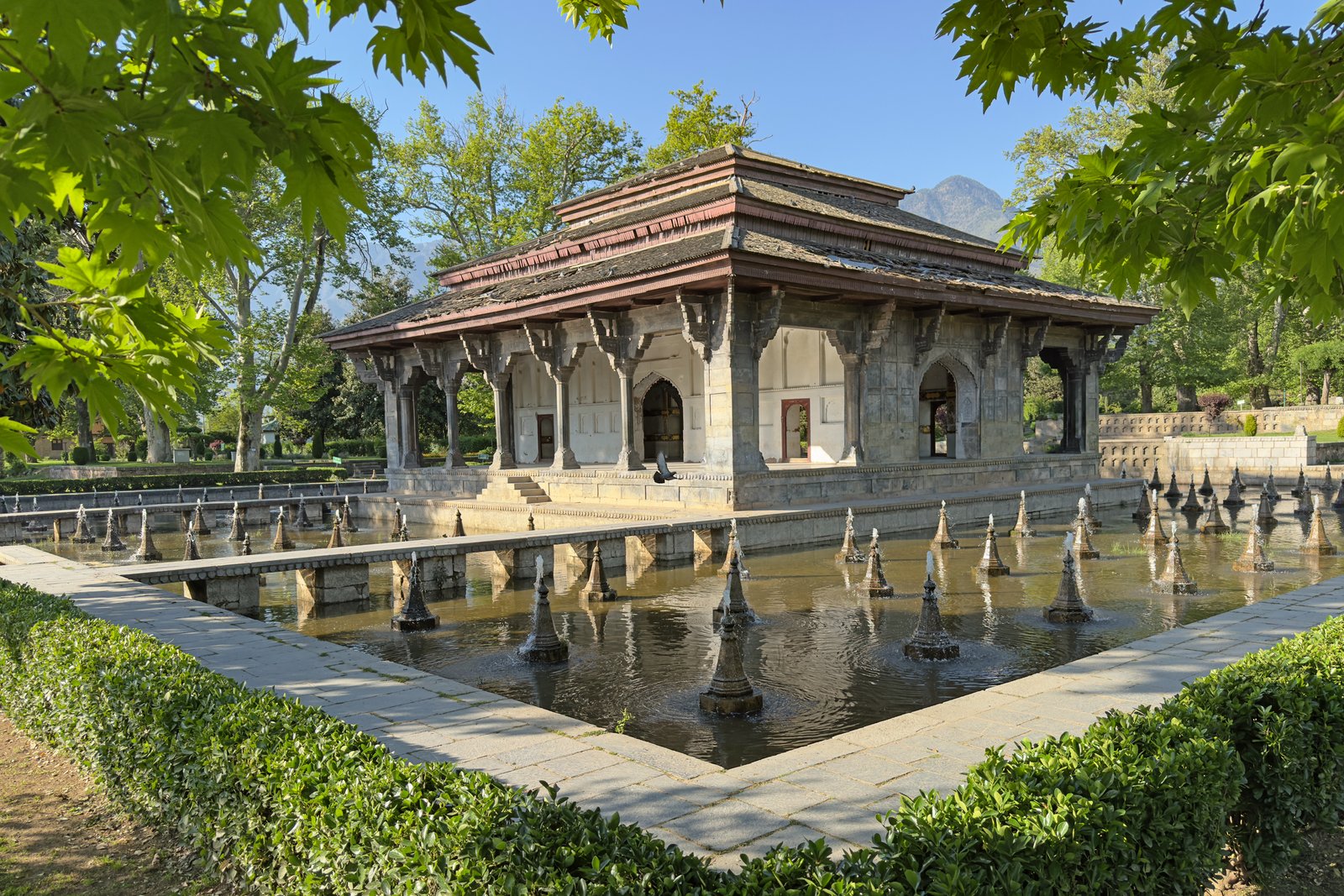
Situated in the northwest part of Delhi, this garden was established in 1653 by Izz-un-Nissa, also known as Akbarabadi Begum, the wife of Emperor Shah Jahan. It was modeled after the Shalimar Bagh in Kashmir and was initially named Aizzabad Bagh .Historical Significance:
- Coronation Site: The garden's Sheesh Mahal (Crystal Palace) was the venue for Emperor Aurangzeb's coronation in 1658
- Military Encampments: The garden served as a campsite for notable figures, including Nadir Shah in 1738 and Ahmad Shah Durrani during the Third Battle of Panipat
- British Era: During British rule, officials like Sir David Ochterlony used the garden as a summer residence .
Architectural Elements:
- Sheesh Mahal: This pavilion features intricate wall paintings and was central to the garden's design.
- Chahar Bagh Layout: The garden follows the traditional Mughal quadrilateral layout, with water channels and fountains enhancing its aesthetics
Today, while the garden's grandeur has faded, remnants of its historical and architectural significance remain, offering a glimpse into its illustrious past.
Comments 0
Most Read
Recommended Post






Leave a Comment