Burzahom

Burzahom is a significant Neolithic archaeological site located in the Srinagar district of Jammu and Kashmir, India. Situated approximately 16 km northwest of Srinagar, it lies at an elevation of 1,800 meters above sea level, on an ancient Pleistocene la
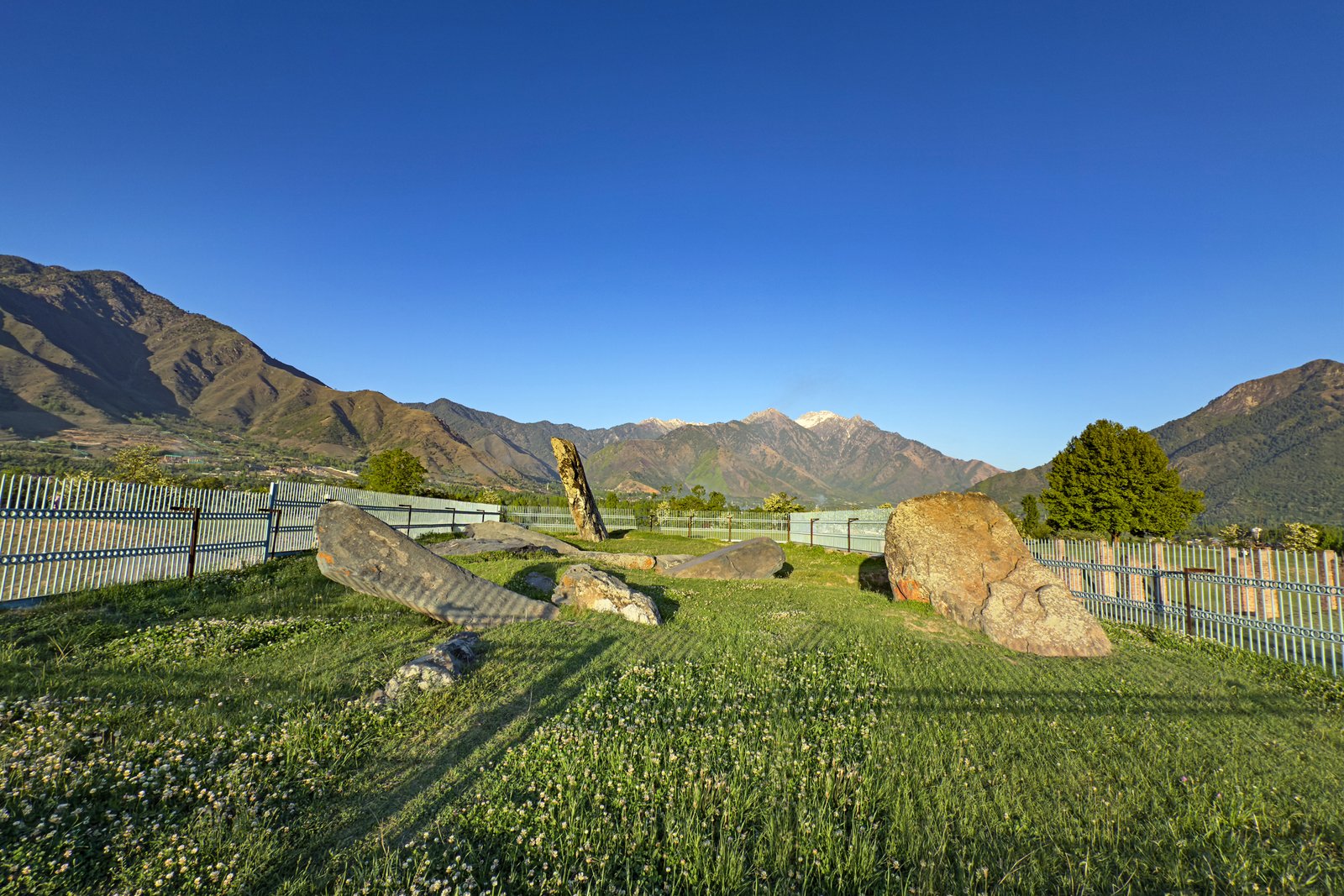
Burzahom is a significant Neolithic archaeological site located in the Srinagar district of Jammu and Kashmir, India. Situated approximately 16 km northwest of Srinagar, it lies at an elevation of 1,800 meters above sea level, on an ancient Pleistocene lake bed .
Historical Significance
Burzahom is among the earliest Neolithic settlements in the Kashmir Valley, with evidence of human habitation dating back to around 3000 BCE. The site provides a comprehensive record of human development over several millennia, encompassing:
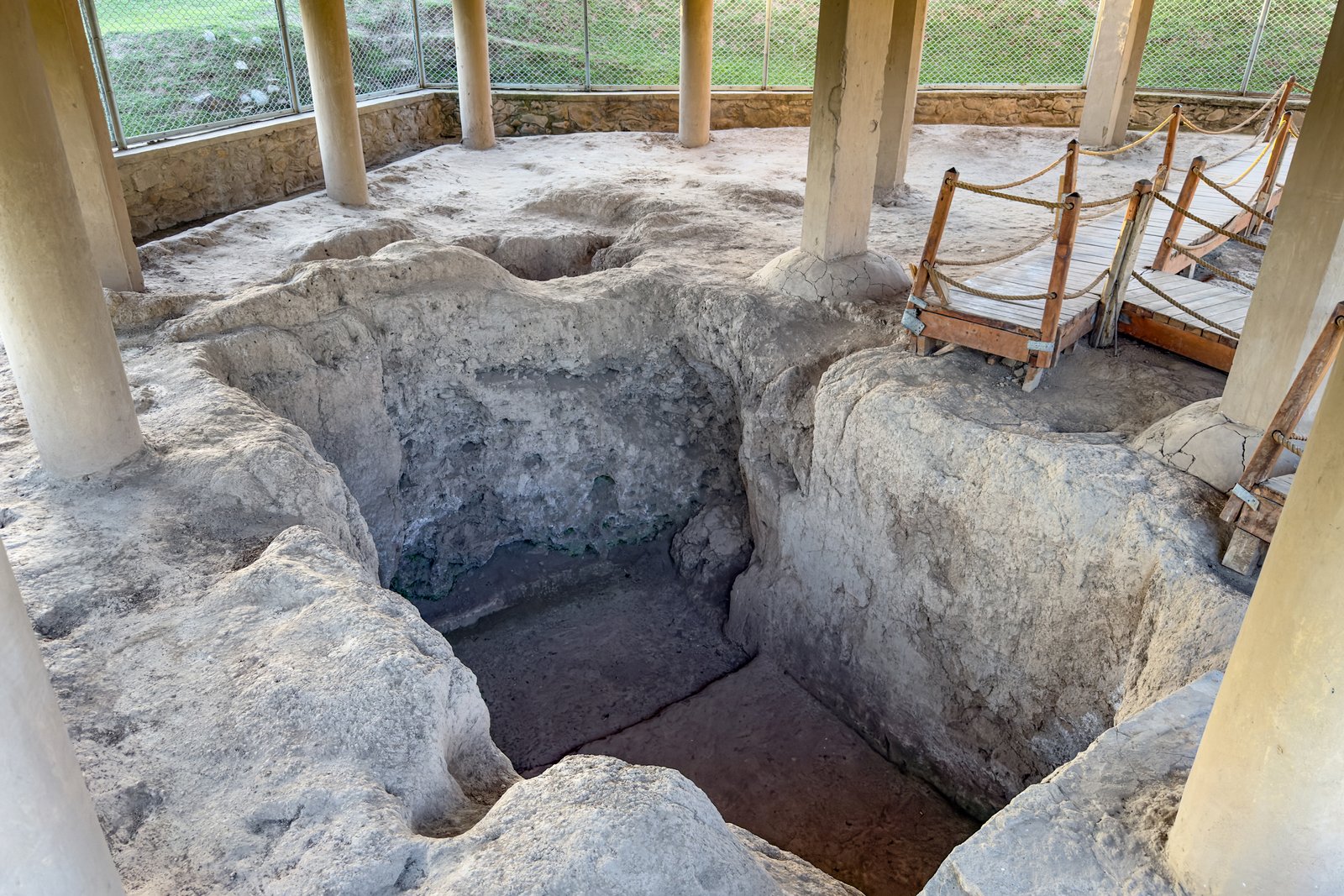
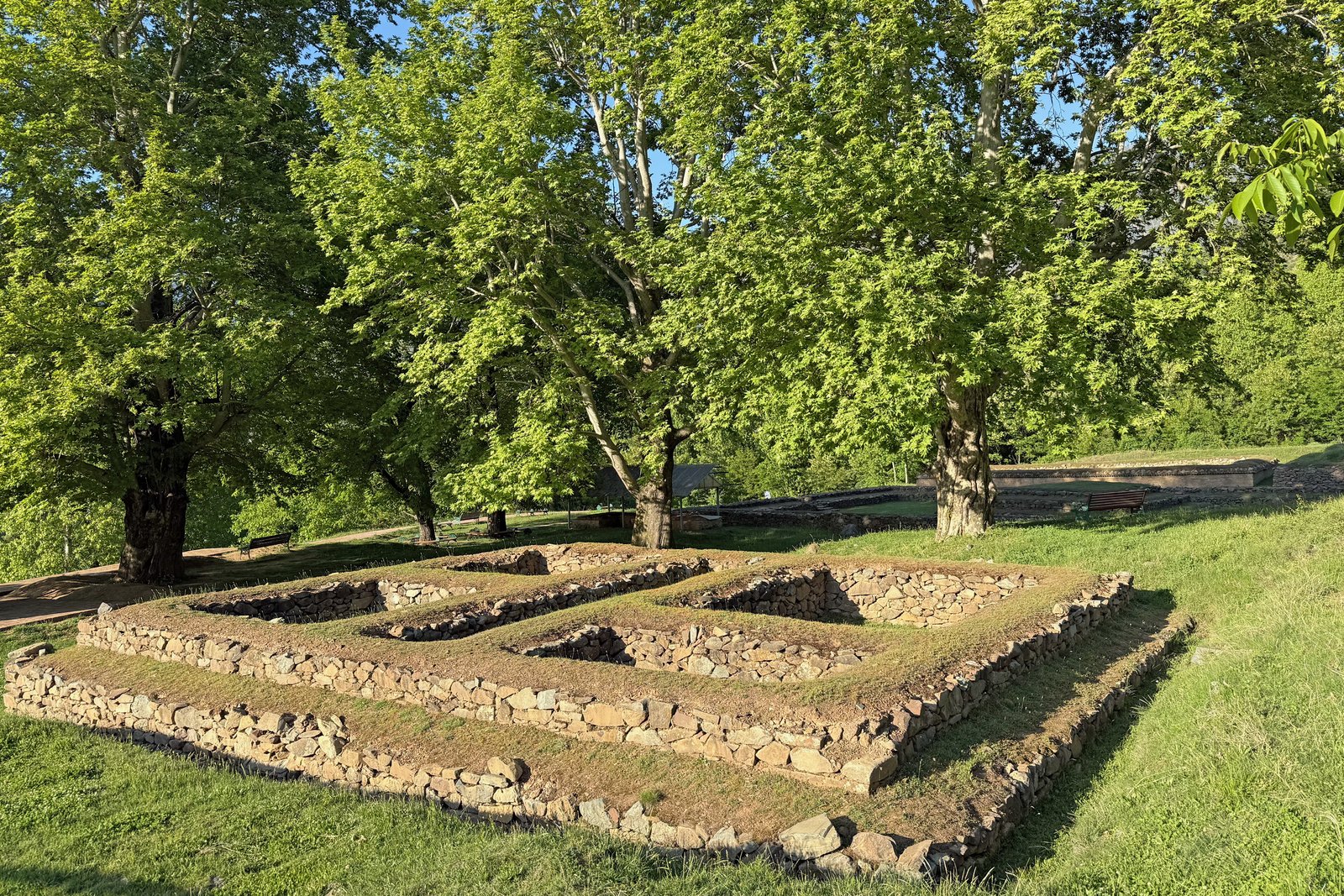
- Period II (Ceramic Neolithic): Marked by the introduction of mud-brick structures with rammed floors, often reusing former pits. This period also saw the emergence of pottery, including red-ware pots with painted motifs, and the use of copper tools.
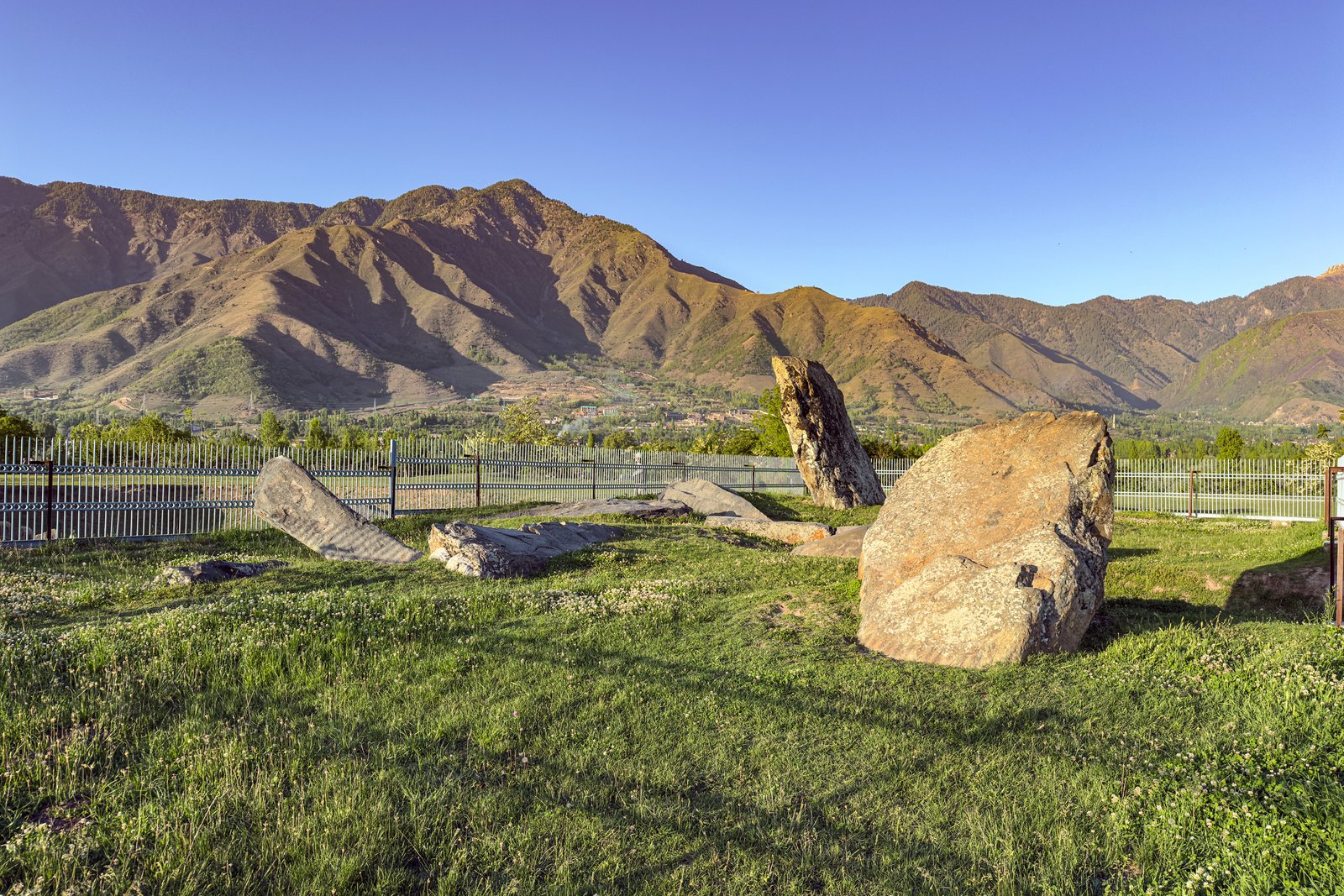
- Period III (Megalithic): Noted for the erection of large stone menhirs, likely commemorative in nature, and the construction of rubble structures.
- Period IV (Early Historic): Represented by mud-brick structures, wheel-made pottery, and metal objects, dating to the 3rd–4th centuries CE .
- Cultural and Technological Insights
- Tools: A variety of implements made from stone, bone, and antlers, such as harpoons, needles, awls, scrapers, and axes, indicating advanced hunting and crafting skills.
- Pottery: Coarse grey pottery from the Neolithic period, with designs resembling those found in the Swat Valley of present-day Pakistan, suggesting cultural exchanges.
- Burial Practices: The site revealed unique burial customs, including the interment of domestic dogs alongside humans, a practice not observed in other Neolithic cultures in India .
- Textile Evidence: Findings suggest the presence of a textile industry in ancient Kashmir, with evidence of cotton and wool, indicating an early development of fabric production .
Cultural Connections
Artifacts from Burzahom demonstrate interactions with regions beyond the Kashmir Valley. The presence of lentils, a crop native to Central Asia, and similarities in pottery styles to those from the Swat Valley point to cultural and trade links with Central and Southwest Asia, as well as the Gangetic plains and peninsular India .
Preservation and Recognition
Burzahom has been recognized for its outstanding universal value and was included in India's tentative list for UNESCO World Heritage Sites in 2014. The site is protected and managed by the Archaeological Survey of India and the State Department of Archaeology under the Ancient Monuments and Sites Remains Act of 1958 (amended in 2010) .
Visiting Burzahom
For those interested in exploring Burzahom, it is accessible via the Naseem-Shalimar Road from Srinagar. The site offers a unique glimpse into the Neolithic way of life and serves as a testament to the rich cultural heritage of the Kashmir Valley.
Comments 0
Most Read
Recommended Post


Leave a Comment