Akhund Mullah Shah Mosque

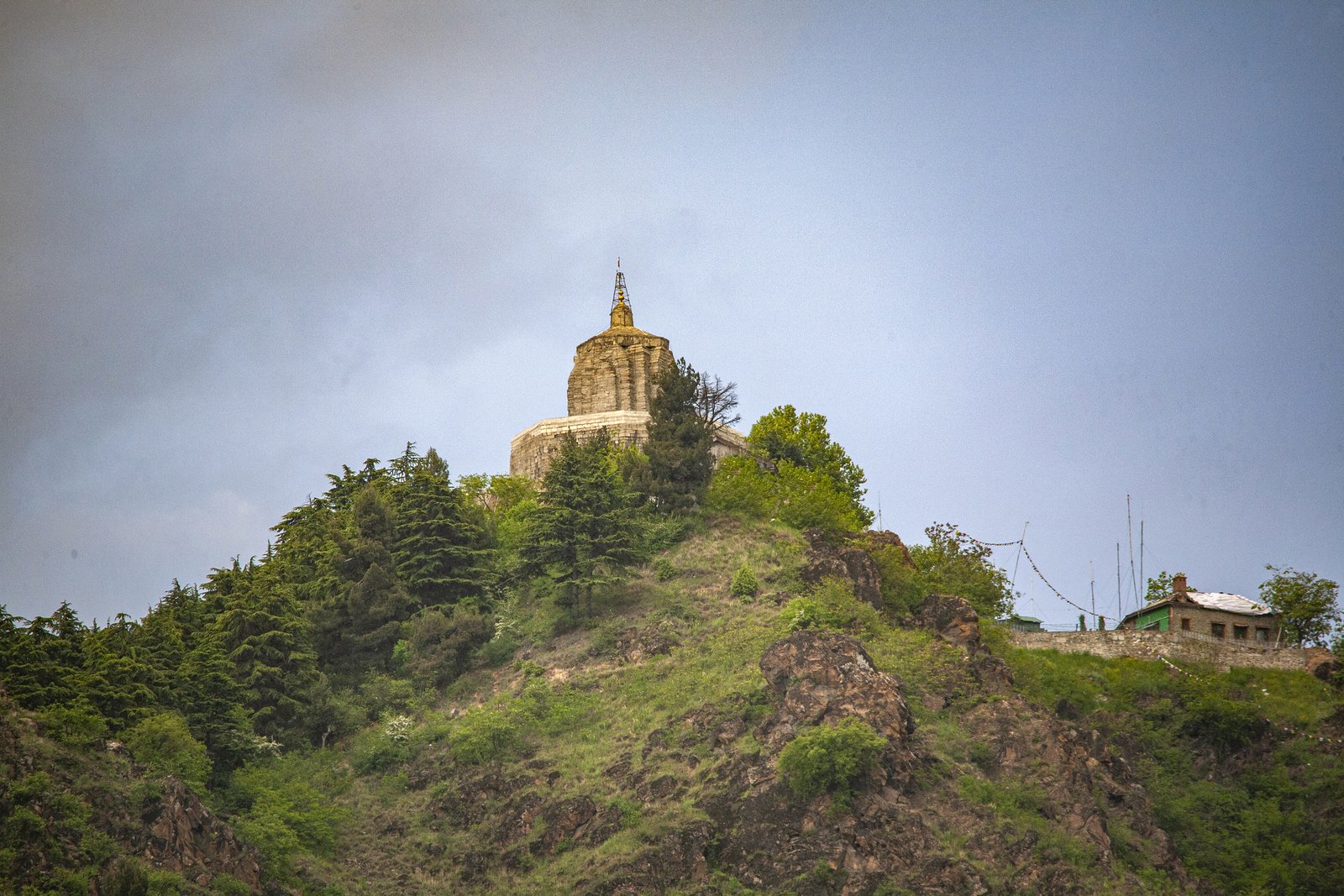
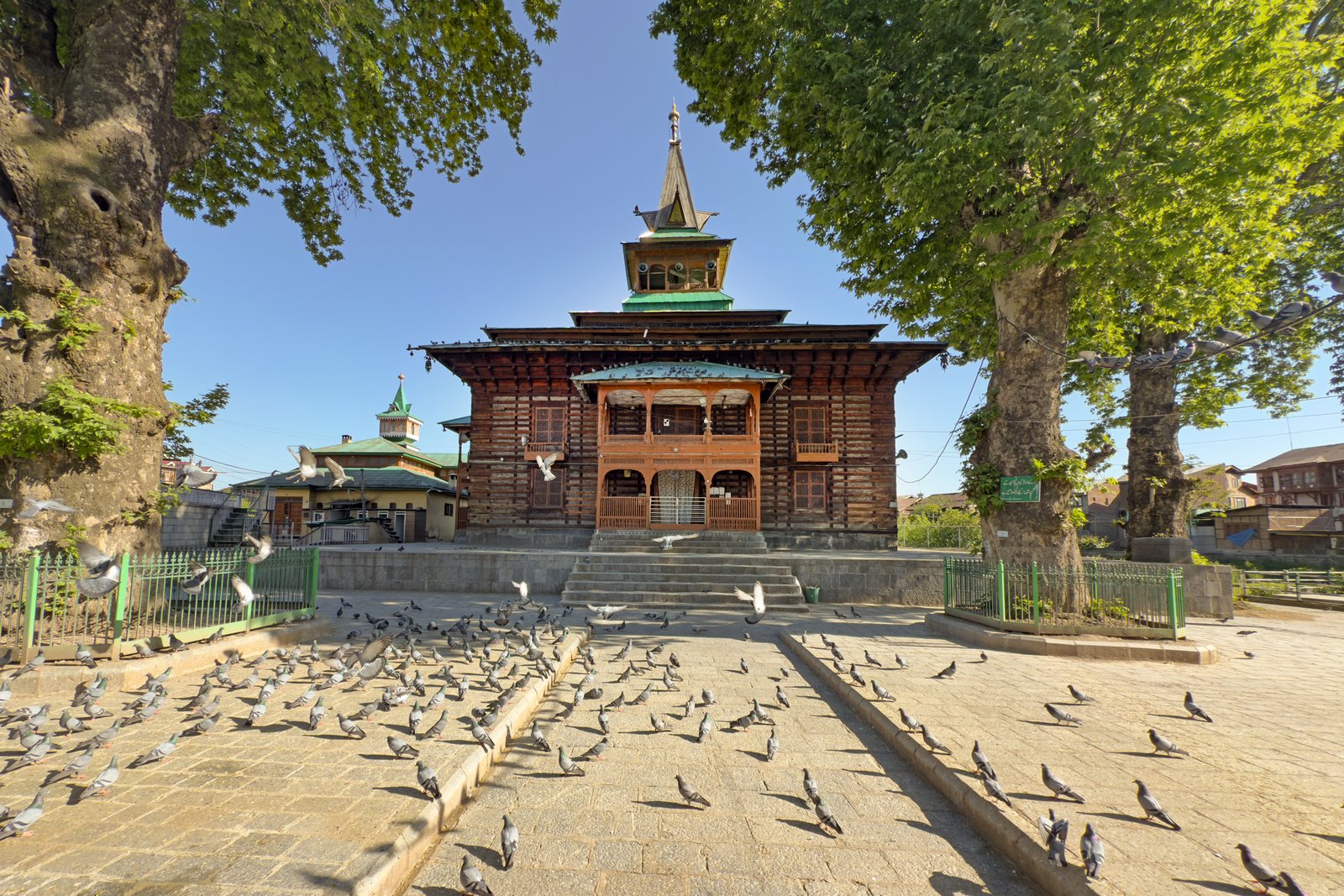
The Akhund Mullah Shah Mosque, also known as the Dara Shikoh Masjid, is a historic Mughal-era mosque situated near the Makhdoom Sahib Shrine on the southern flank of Hari Parbat in Srinagar, Jammu and Kashmir.
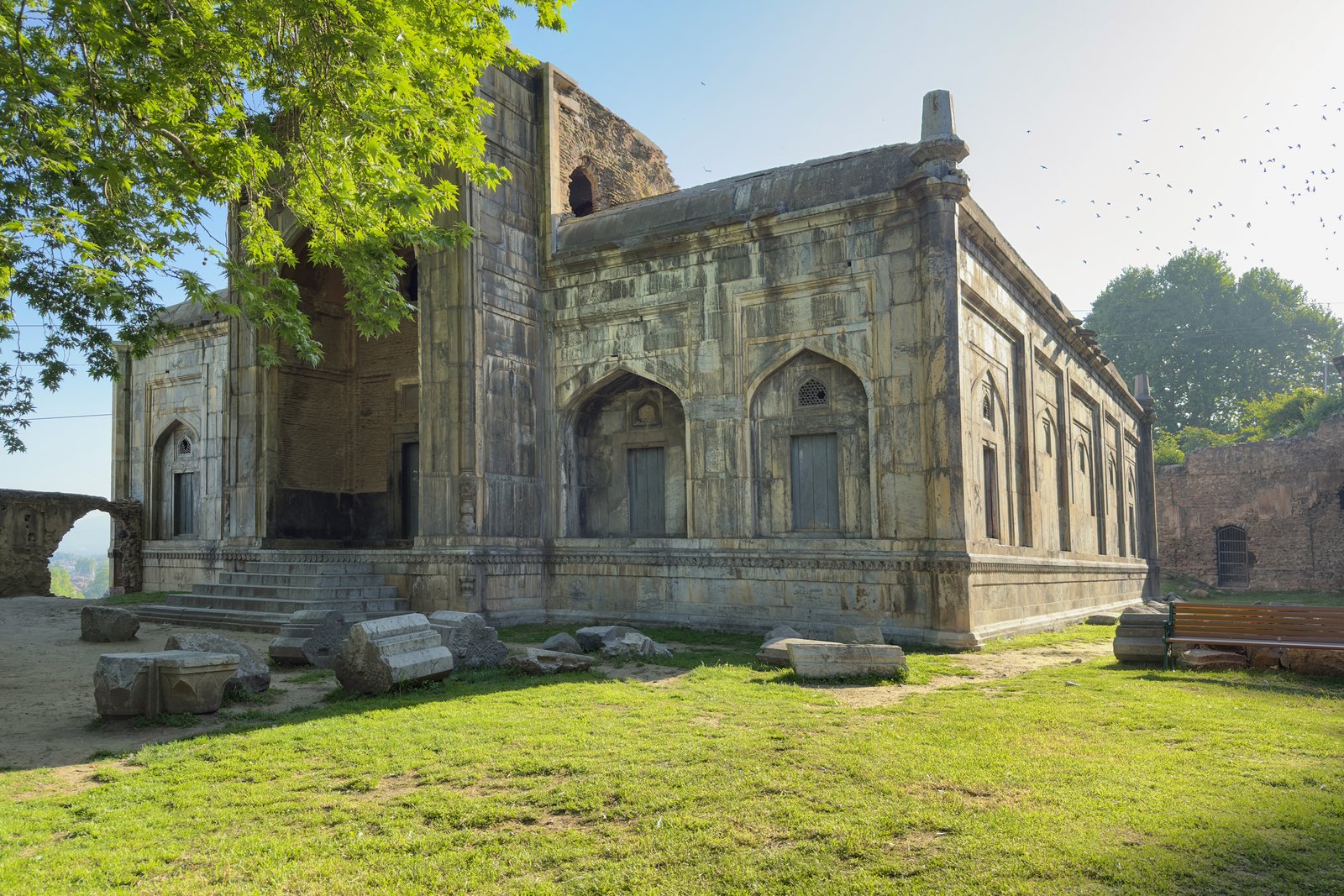
Architectural Significance
The mosque is renowned for its unique design, often described as a "mosque within a mosque." The main sanctuary is entirely separated from the surrounding structure by a courtyard, creating a distinct spatial arrangement . Constructed using grey limestone, the mosque exhibits a glossy texture and features elements of Iranian architectural style, reflecting the Persian influences prevalent during the Mughal era.
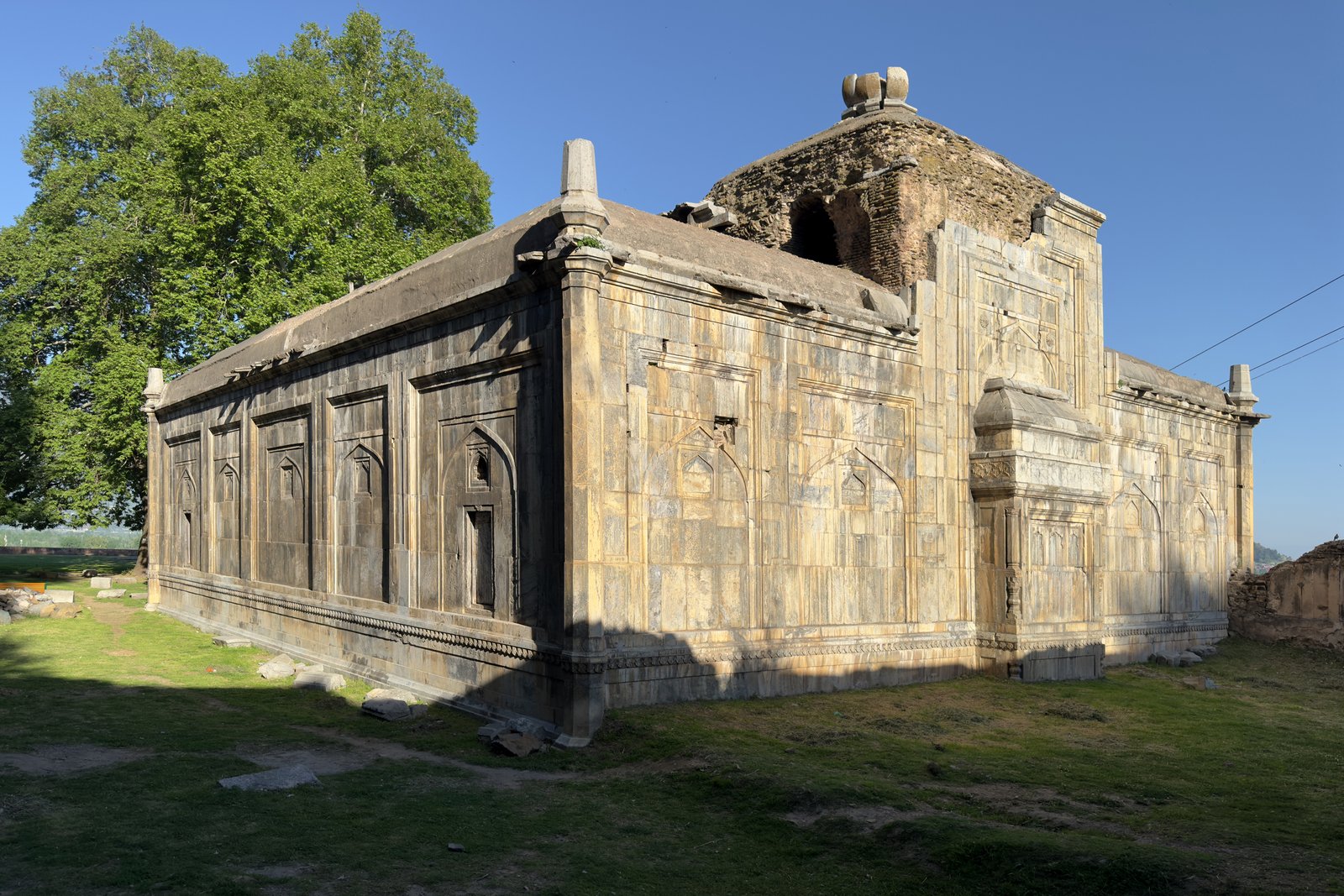
Notable architectural features include:
- Stone Lotus: A stone lotus crowns the podium of the mosque, adding to its aesthetic appeal
- Jaali Work and Floral Motifs: The windows showcase intricate jaali (lattice) work accompanied by floral designs, exemplifying the craftsmanship of the period.
- Persian Inscriptions: The mosque's walls bear Persian scripts, highlighting the cultural and linguistic influences of the time .
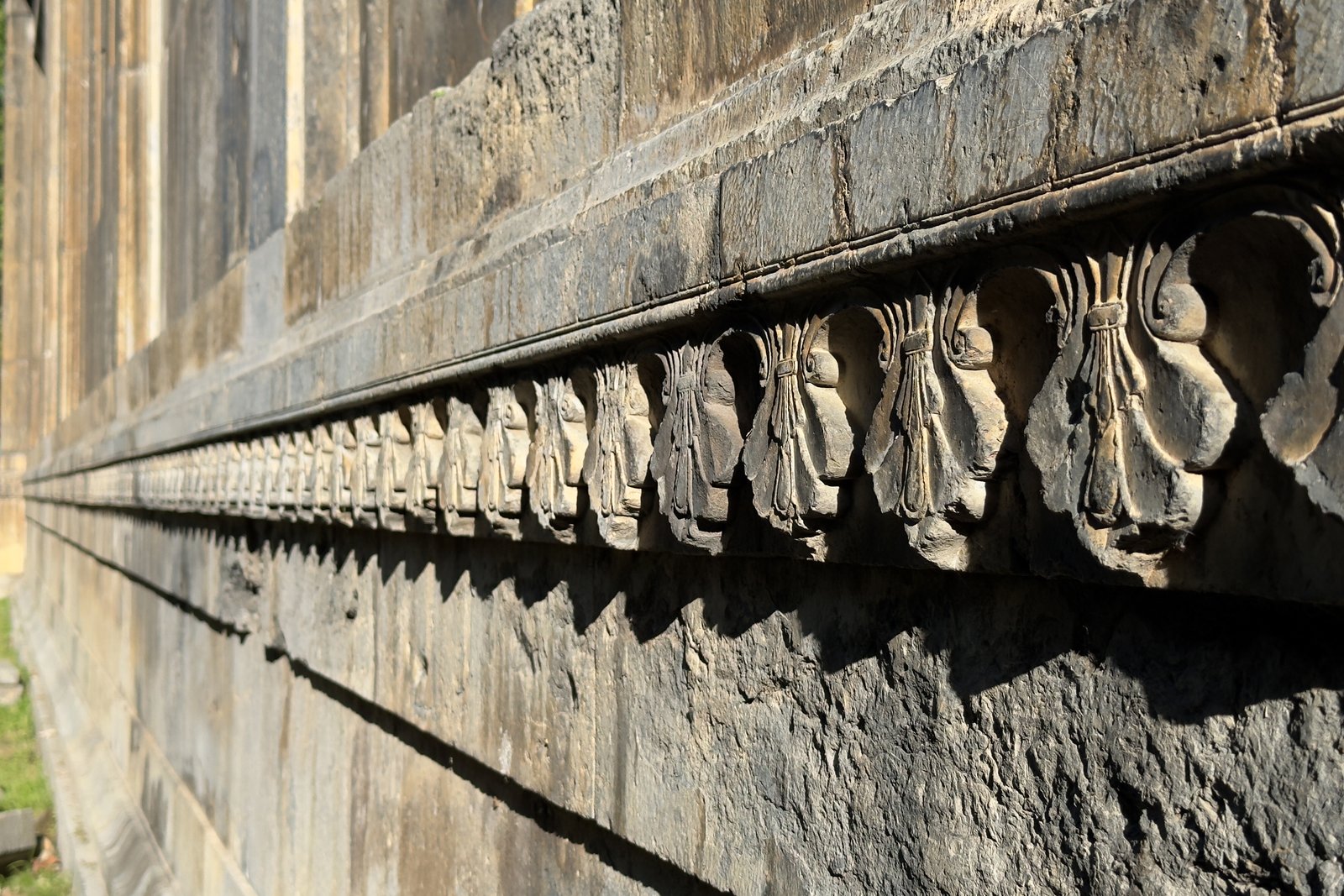
Dara Shikoh, known for his intellectual pursuits and interest in spiritual matters, commissioned the mosque to honor his Sufi mentor, Akhund Mullah Shah. The mosque not only served as a place of worship but also as a center for teaching the Qur'an and promoting religious teachings .
Over the centuries, the mosque has witnessed periods of neglect and restoration. Although it has fallen into a partial ruinous state, its historical and architectural significance remains recognized. The mosque is designated as a Monument of National Importance by the Archaeological Survey of India .
Visiting Information
- Location: Near the Makhdoom Sahib Shrine, southern flank of Hari Parbat, Srinagar, Jammu and Kashmir, India.
- Current Status: The mosque is in a partial state of ruin and is not active for regular worship. However, it remains a site of historical interest for visitors and scholars.
Visitors to the area can also explore the nearby Makhdoom Sahib Shrine and enjoy panoramic views of Srinagar from Hari Parbat.
Comments 0
Most Read
Recommended Post



Leave a Comment