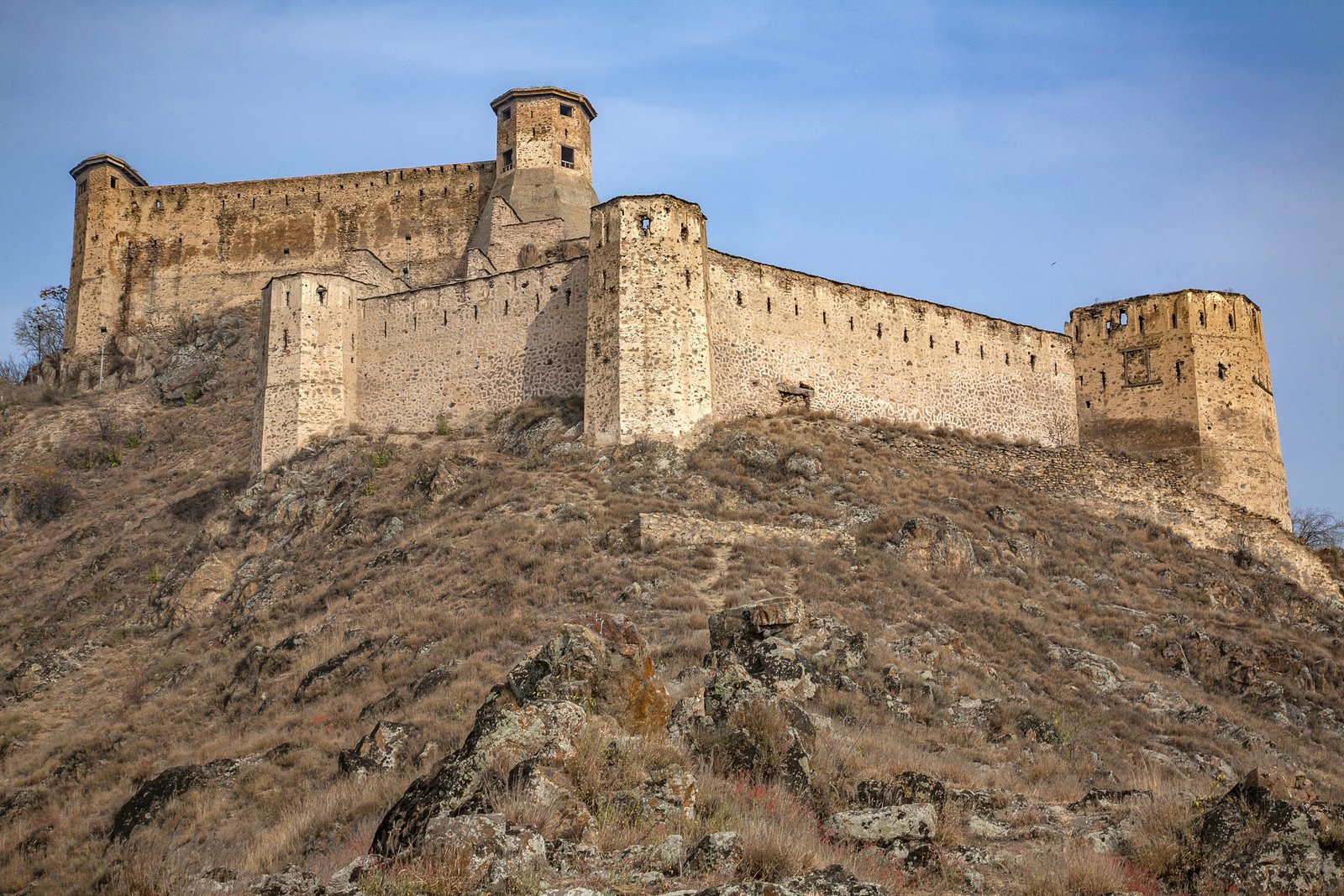
Sher Garhi Palace

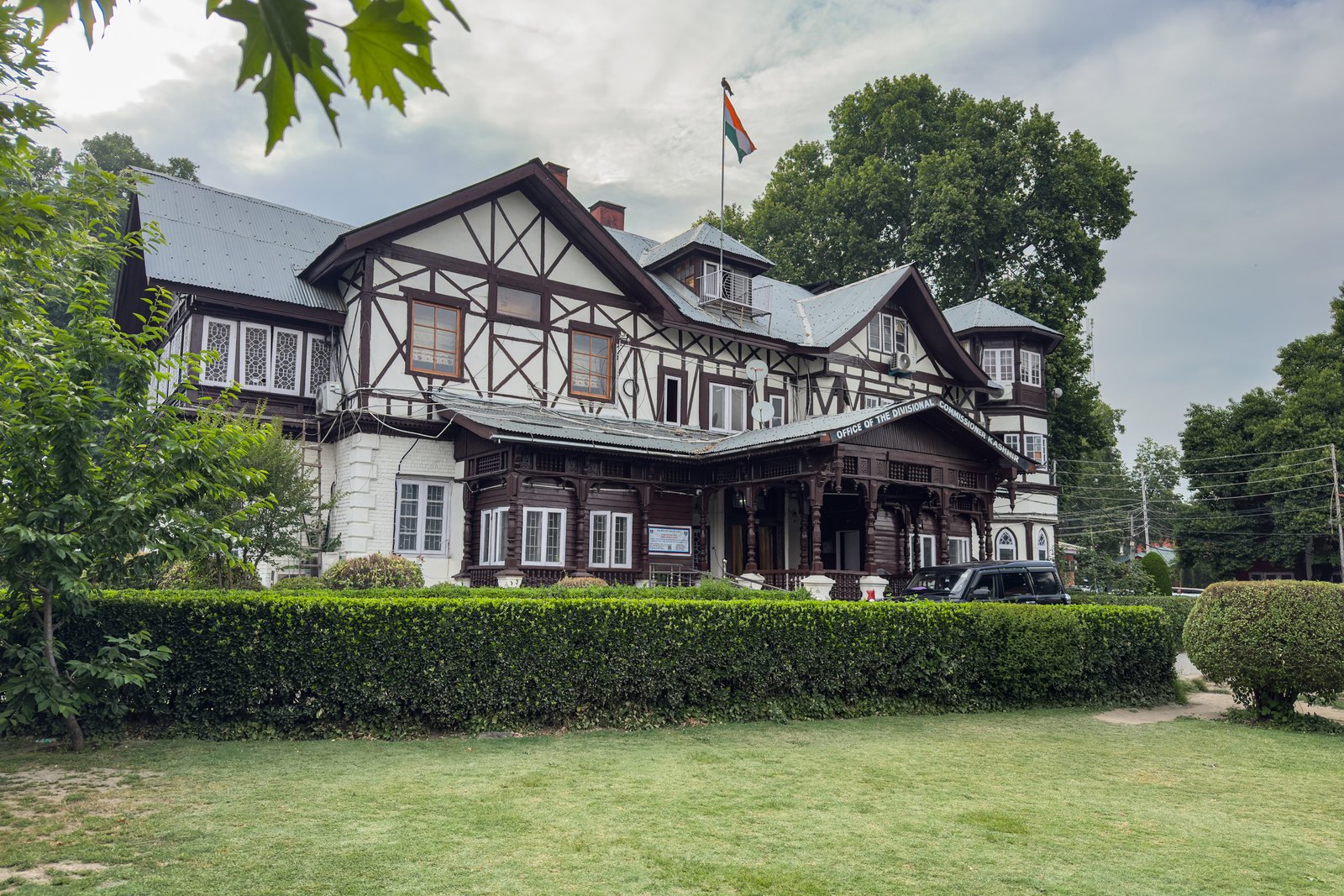
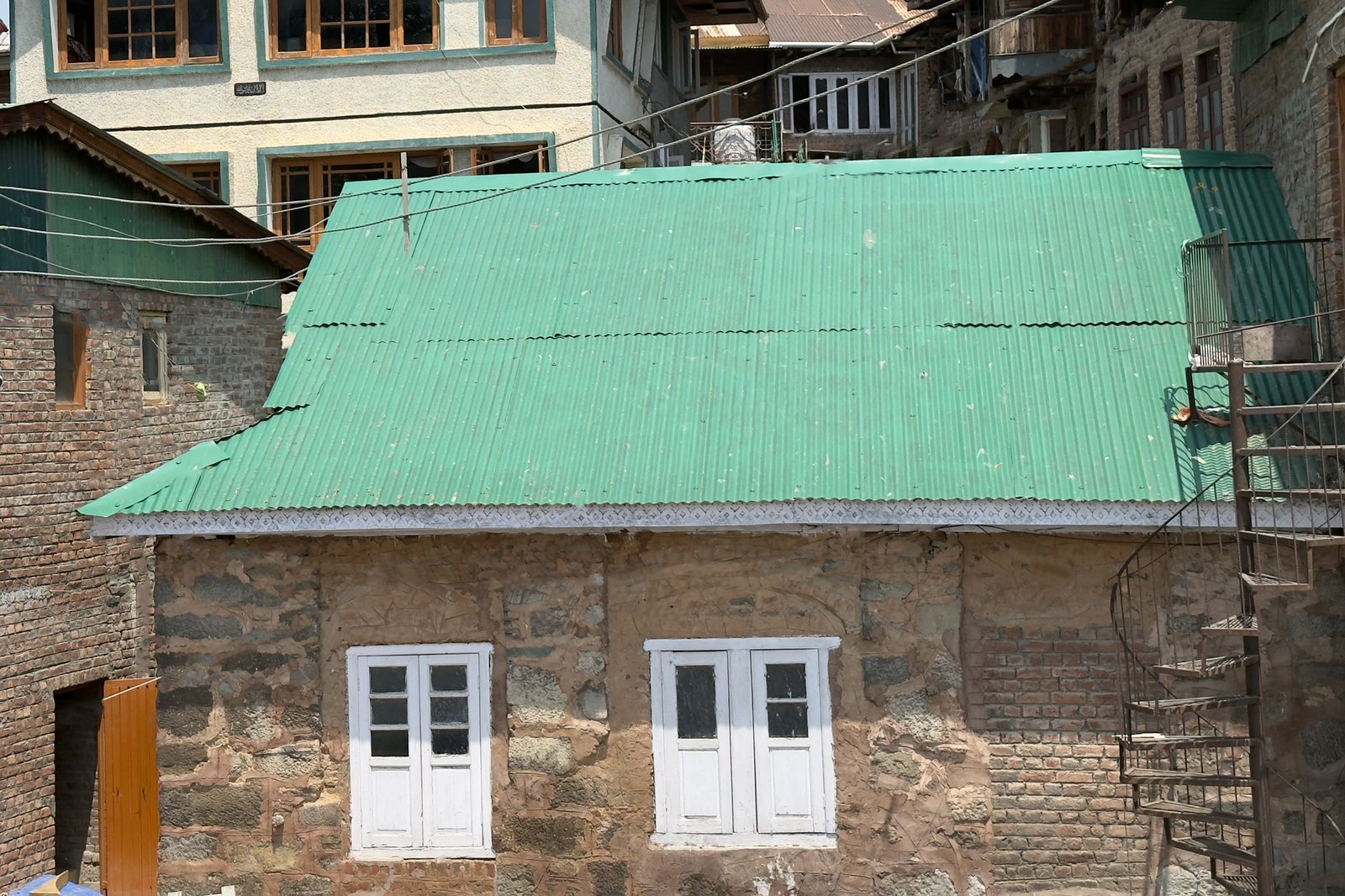
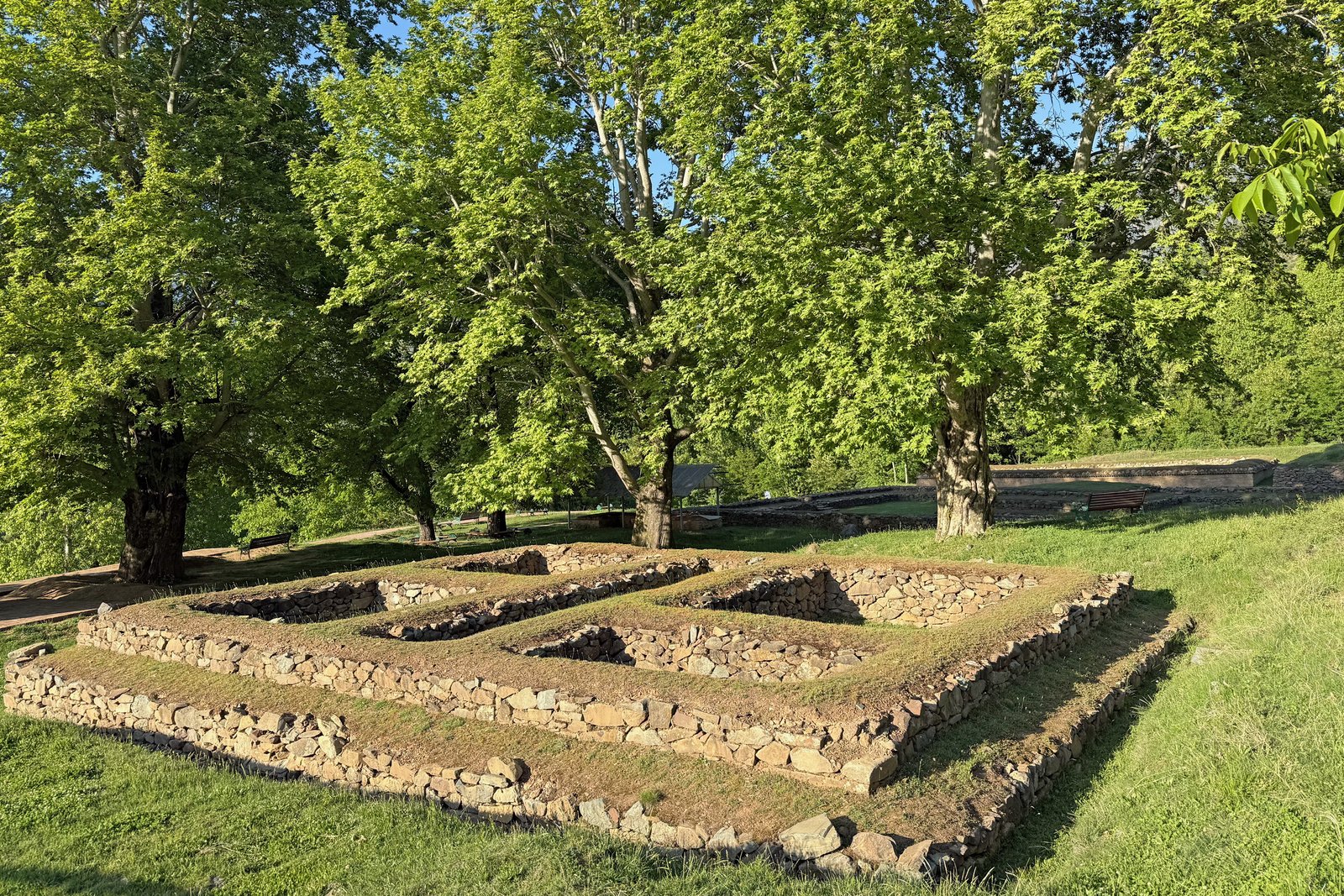
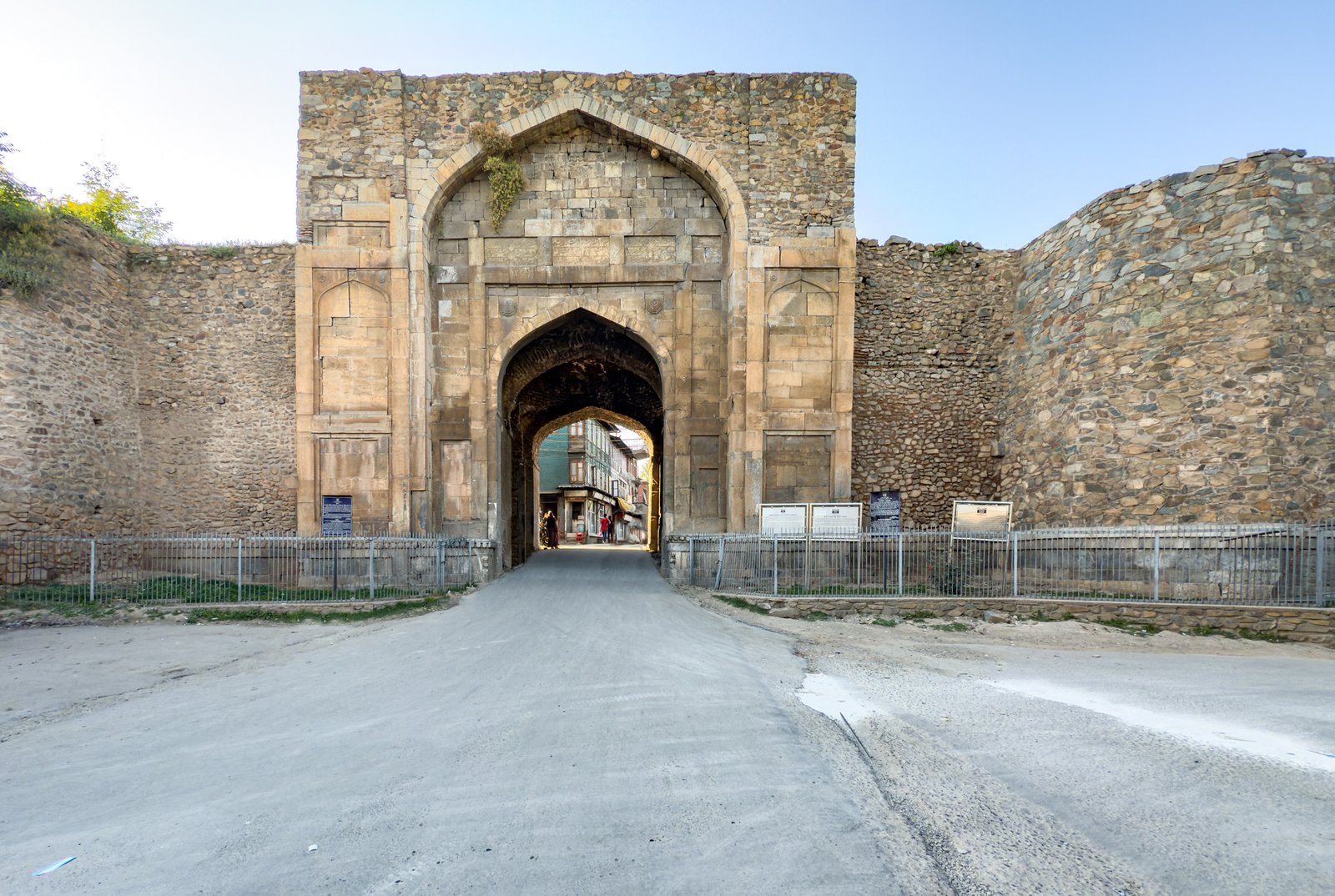
Constructed in 1772 by Afghan governor Amir Khan Sher Jawan, the palace was built on the site of an earlier royal residence dating back to the 11th century. Notably, stones from the Mughal-era Pathar Masjid were repurposed in its construction .
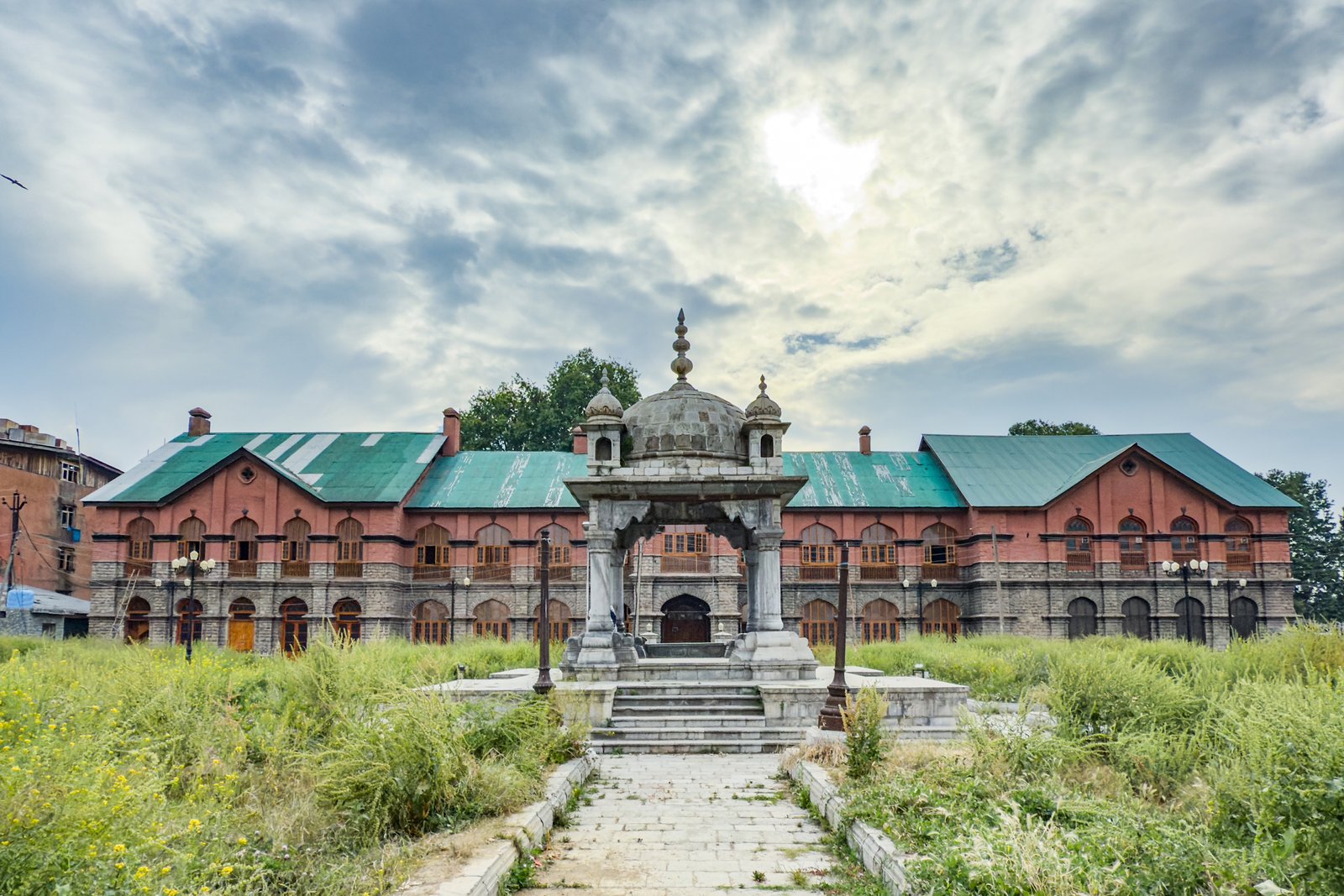
Shergarhi Palace Complex 2.jpg 3.41 MB
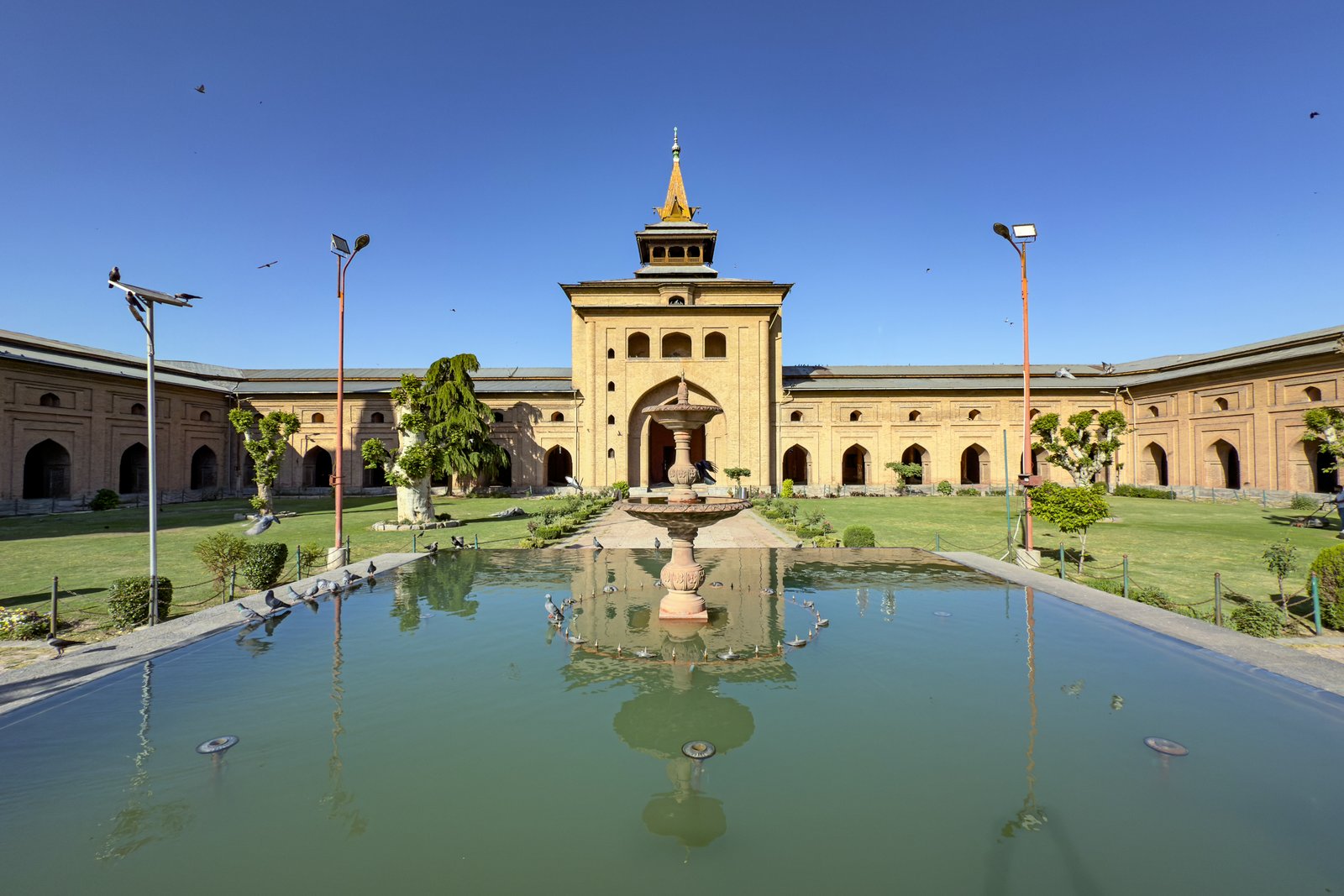
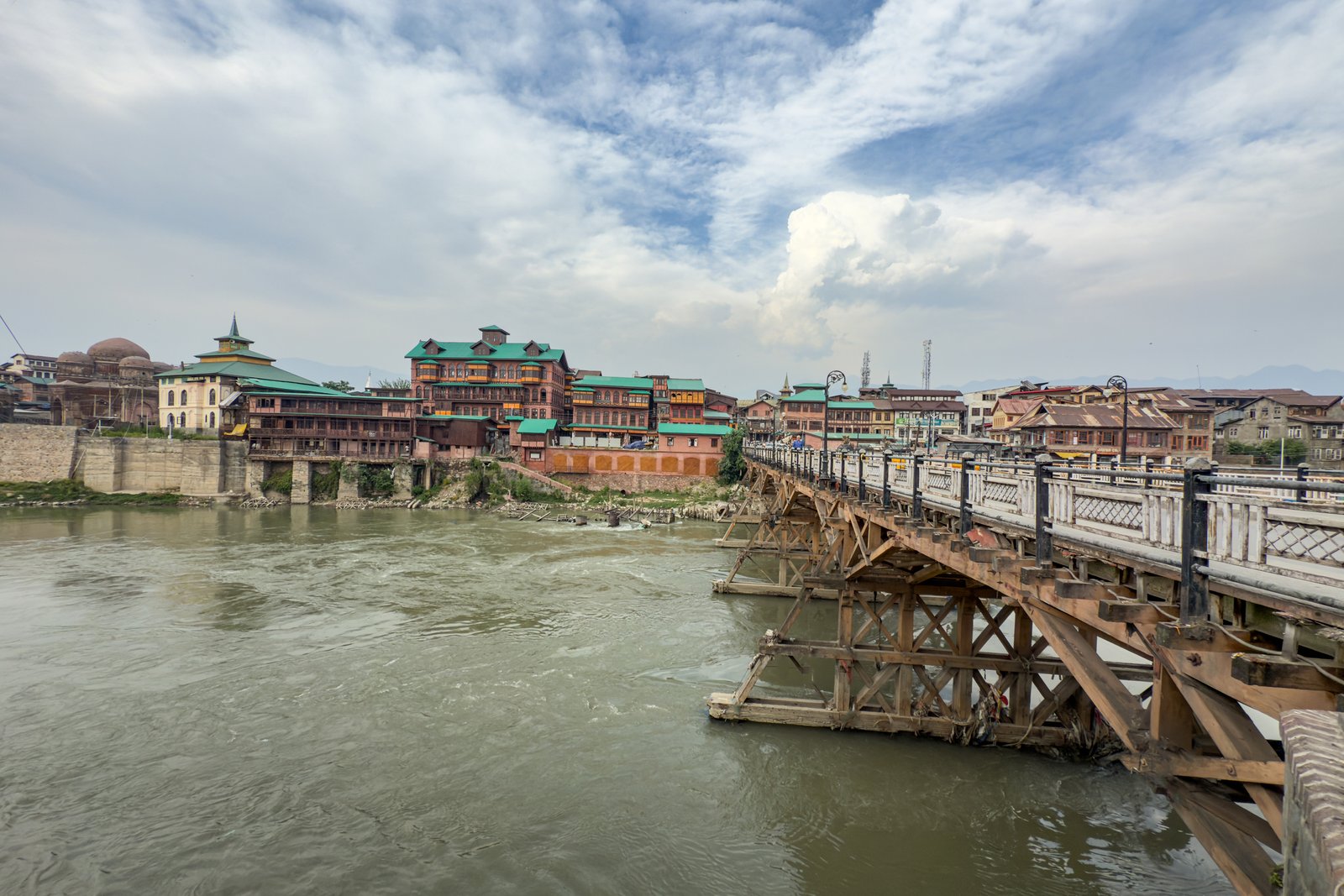
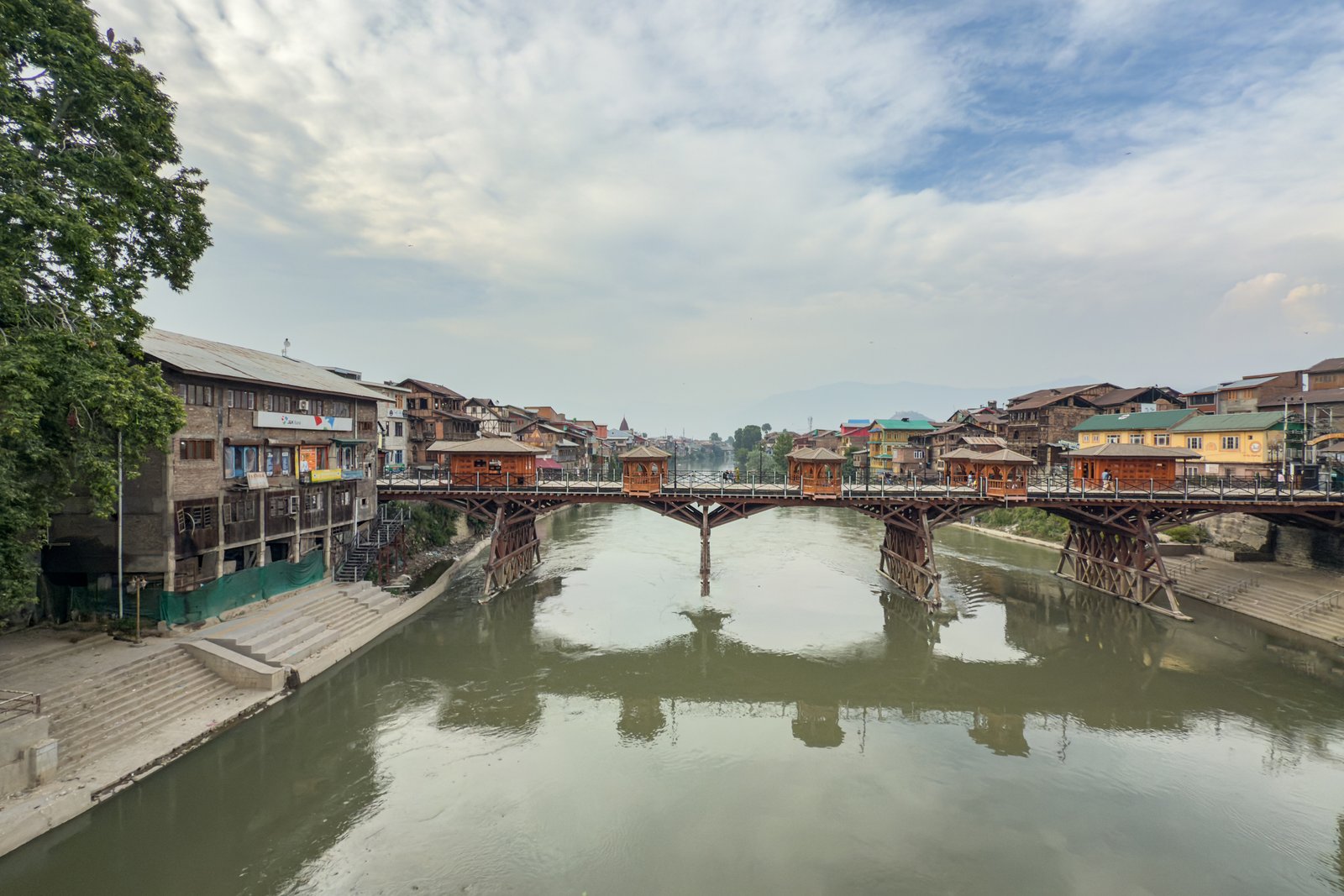
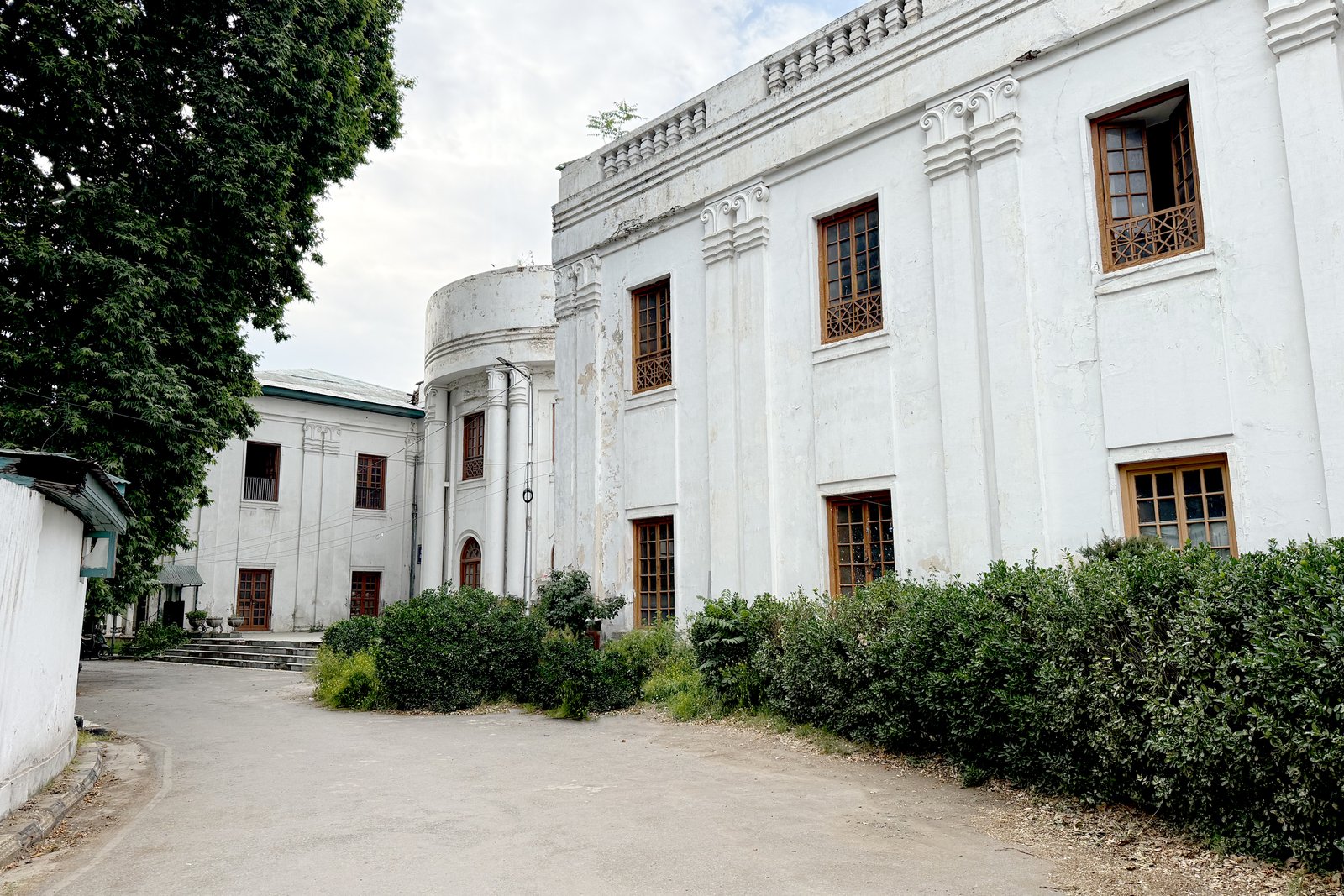
During the 19th century, under the Dogra dynasty, the palace underwent significant expansions. Maharaja Pratap Singh introduced neoclassical elements, including Corinthian columns along the Jhelum riverfront, blending English and Kashmiri architectural styles. The complex featured quadrangular stone buildings with intricate wooden interiors and served as the royal residence and administrative center for the Dogra rulers .Following India's independence in 1947, the palace was repurposed as the "Old Secretariat," housing various government departments. However, it suffered neglect and was partially destroyed by fires in the 1970s and early 2000s
Shergarhi Palace Complex 3.jpg 4.91 MB
In recent years, restoration efforts have been initiated to preserve the palace's historical and architectural significance. Declared a state-protected monument in 2017, the complex is being transformed into an art museum gallery, aiming to showcase approximately 1,500 miniature paintings and rare manuscripts . This initiative seeks to reconnect the local community with their cultural heritage and attract heritage tourism 


Share This Post