Pather Masjid

Pathar Masjid, also known as Naev Masheed (meaning "New Mosque" in Kashmiri), is a significant Mughal-era stone mosque situated in the old city of Srinagar, Jammu and Kashmir, India.
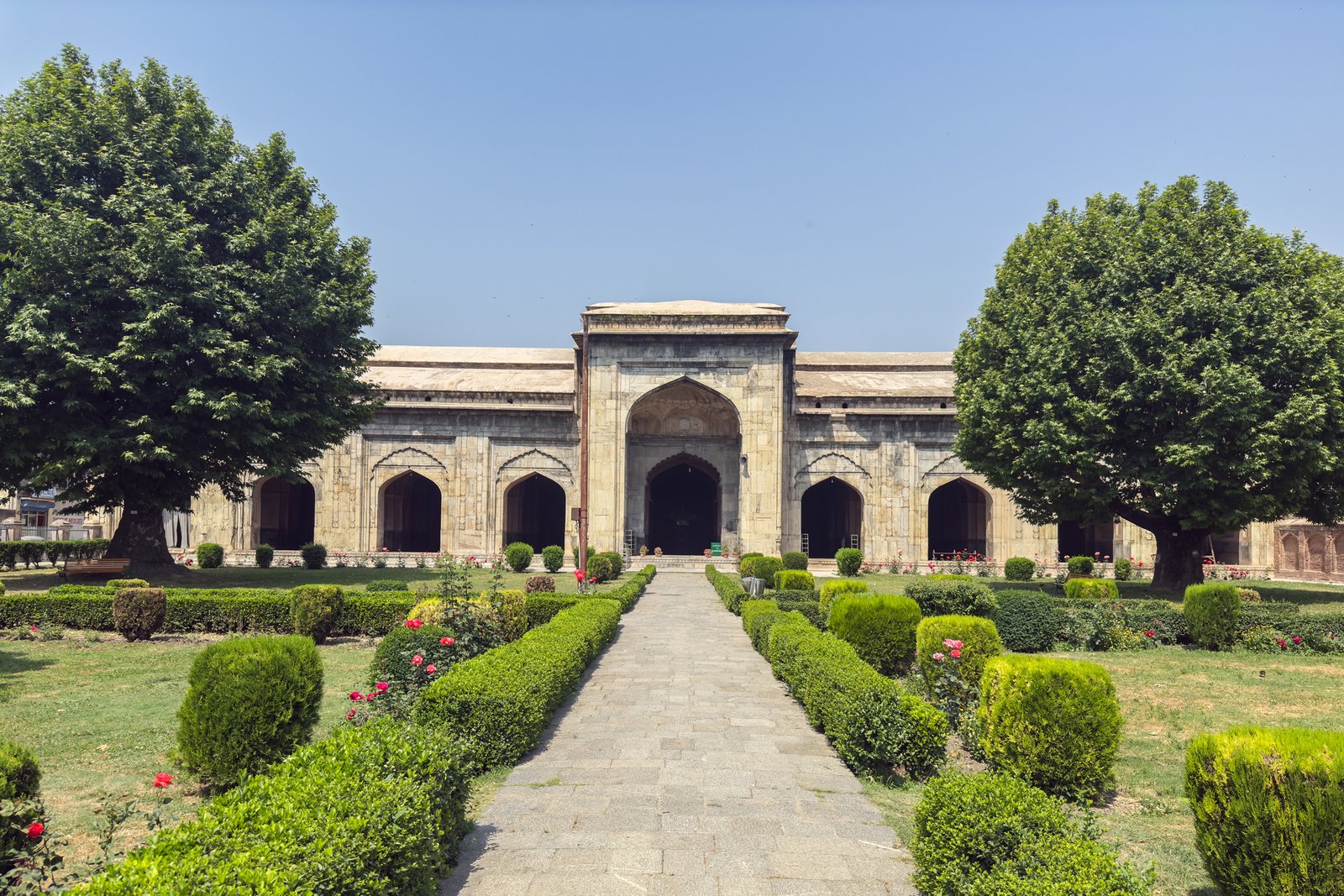
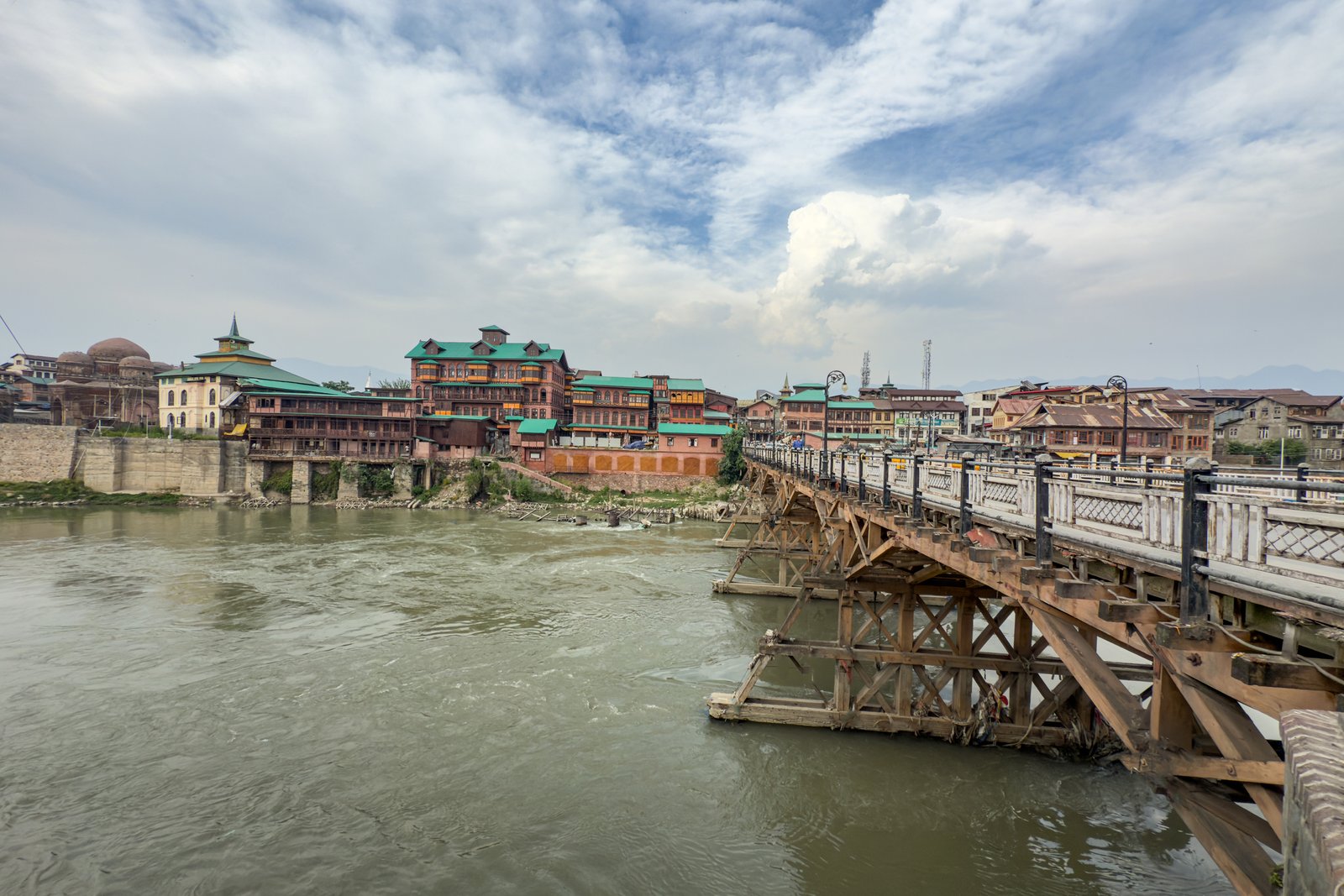
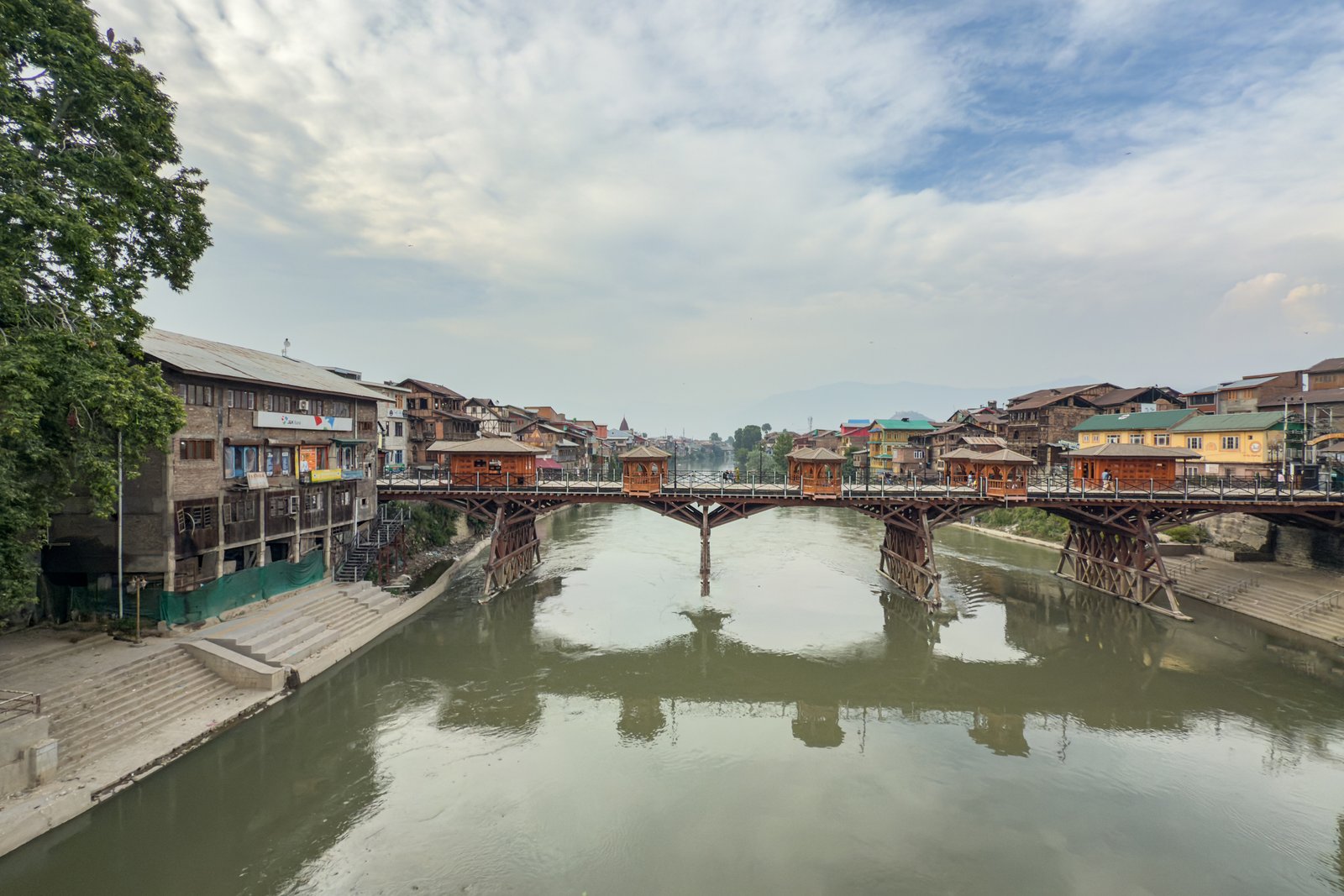
Located on the left bank of the River Jhelum, it stands directly opposite the revered Khanqah-e-Moula shrine
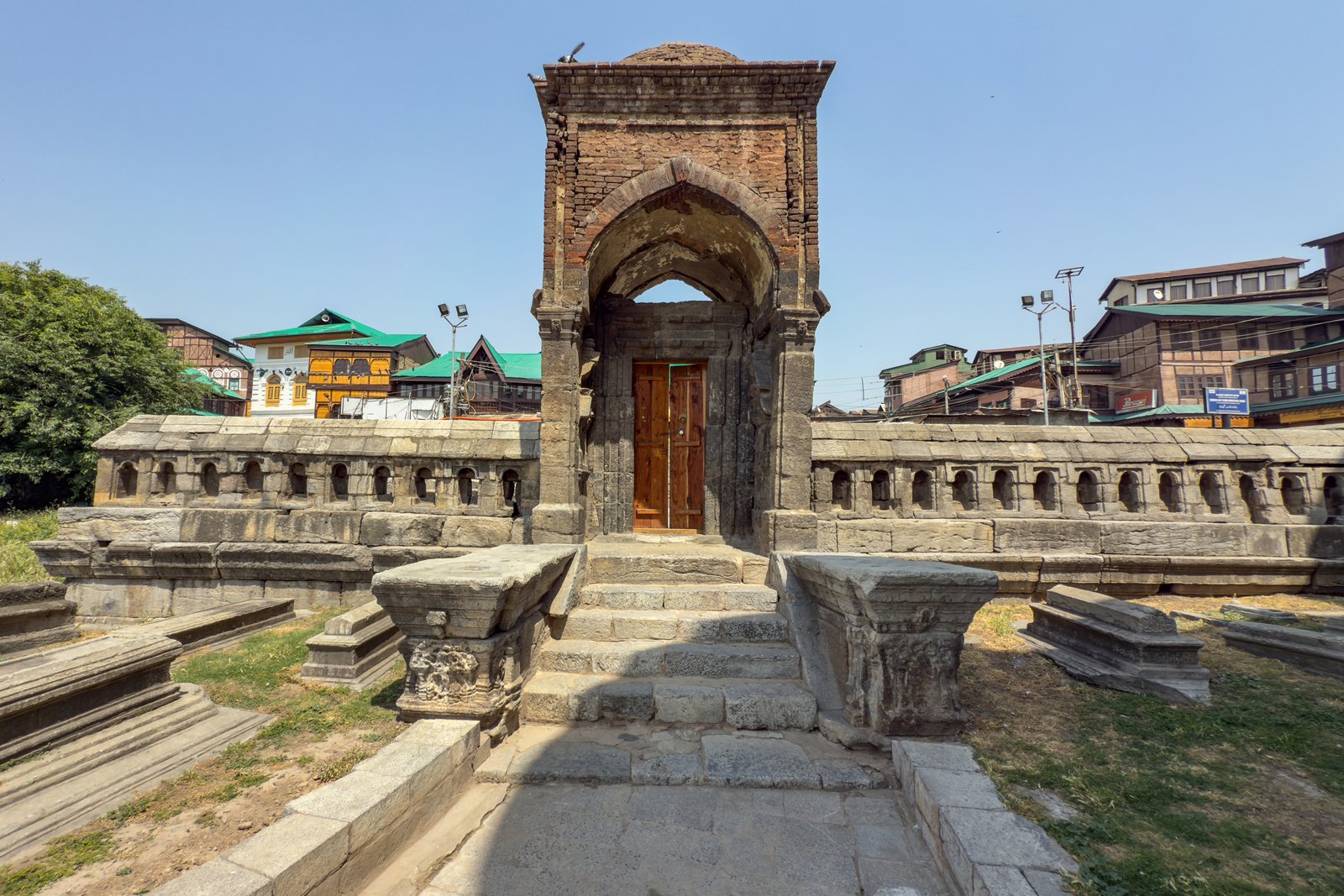
Commissioned in 1623 by Mughal Empress Nur Jahan, the wife of Emperor Jahangir, Pathar Masjid was constructed under the supervision of Mughal historian and architect Malik Hyder . Unlike the traditional wooden mosques prevalent in Kashmir, this mosque was built entirely of locally sourced grey limestone, earning it the name "Pathar Masjid" or "Stone Mosque" 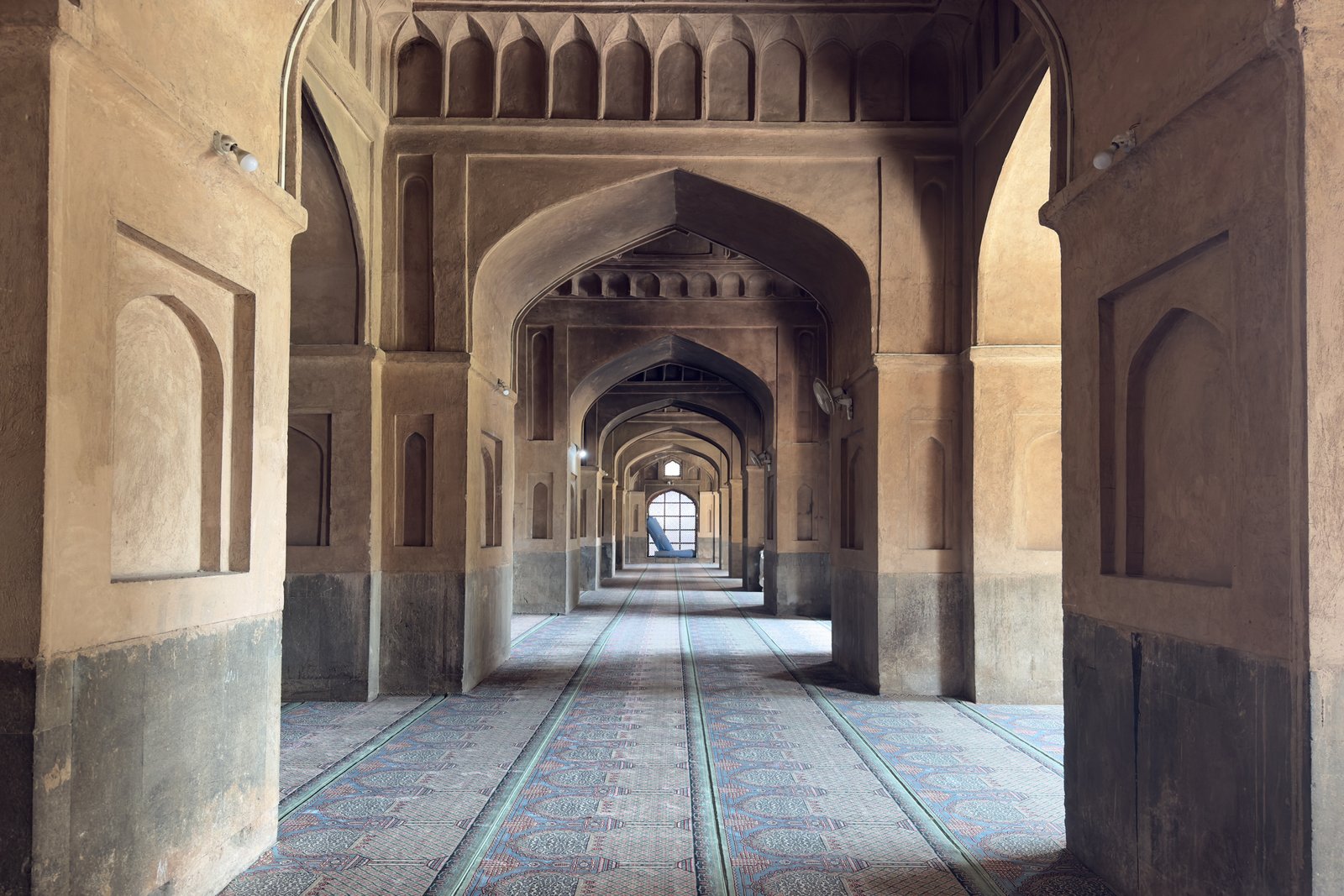
Pathar Masjid stands out for its distinctive Mughal architectural style, which contrasts sharply with the traditional Kashmiri mosque designs. Notably, it lacks the customary pyramidal roof found in local mosques. Instead, it features a flat roof supported by 18 massive square columns, each with projections on two sides 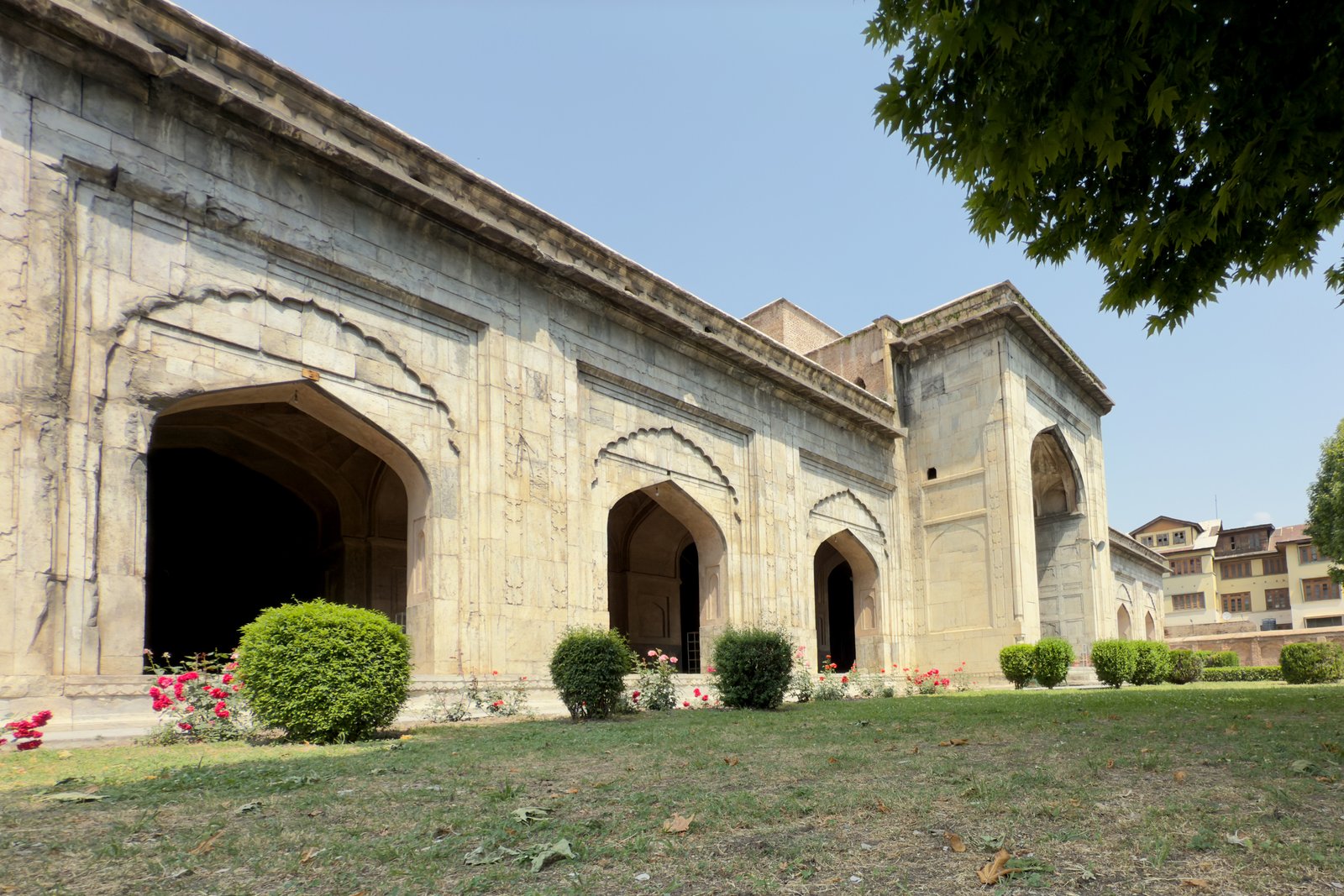
Surrounding the mosque is a chahar bagh, a quadrilateral garden layout typical of Mughal landscaping, featuring paved pathways and flowerbeds
Comments 0
Most Read
Recommended Post



Leave a Comment