Budshah Tomb

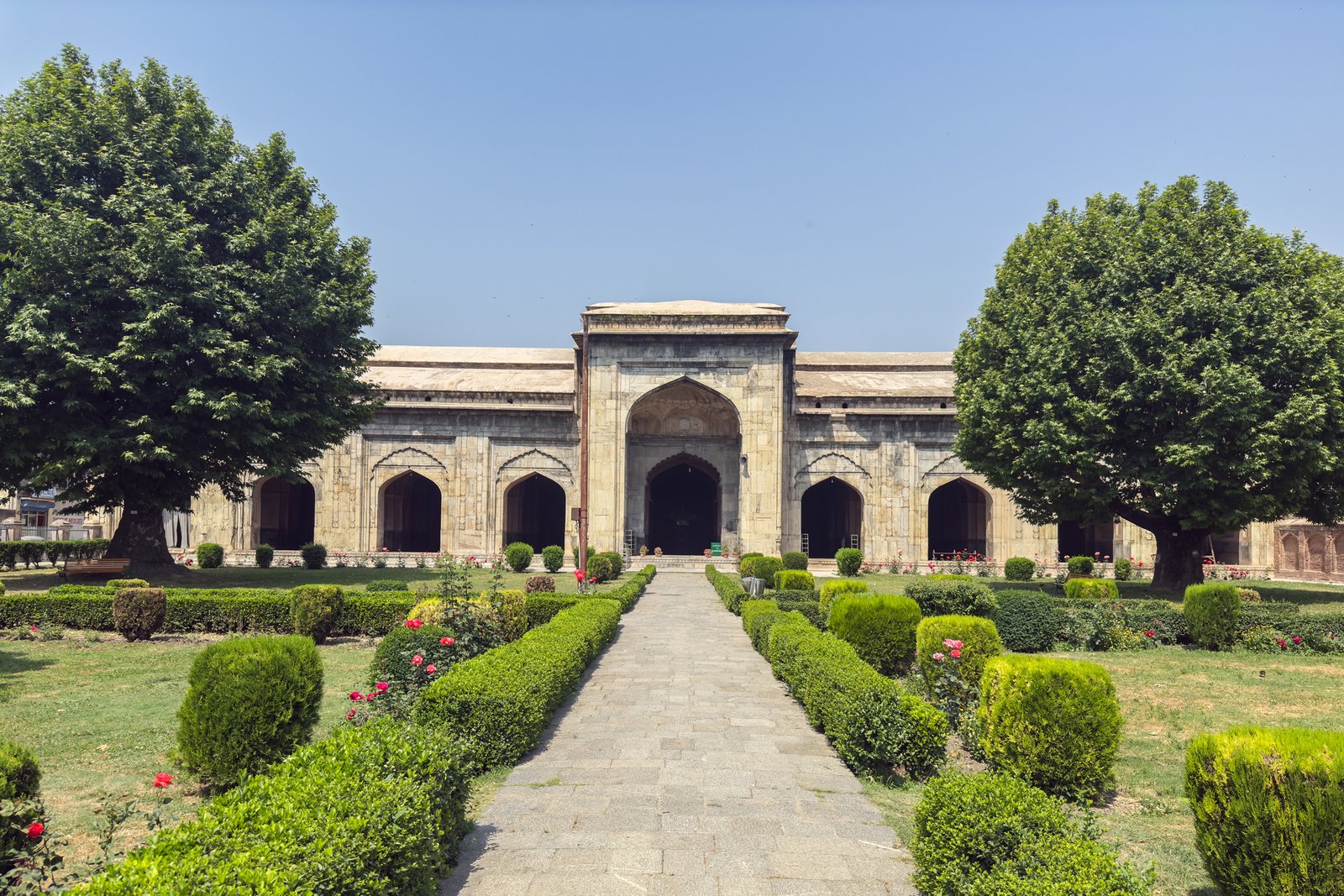
The Budshah Tomb is a historic mausoleum located in Srinagar, Jammu and Kashmir, India.
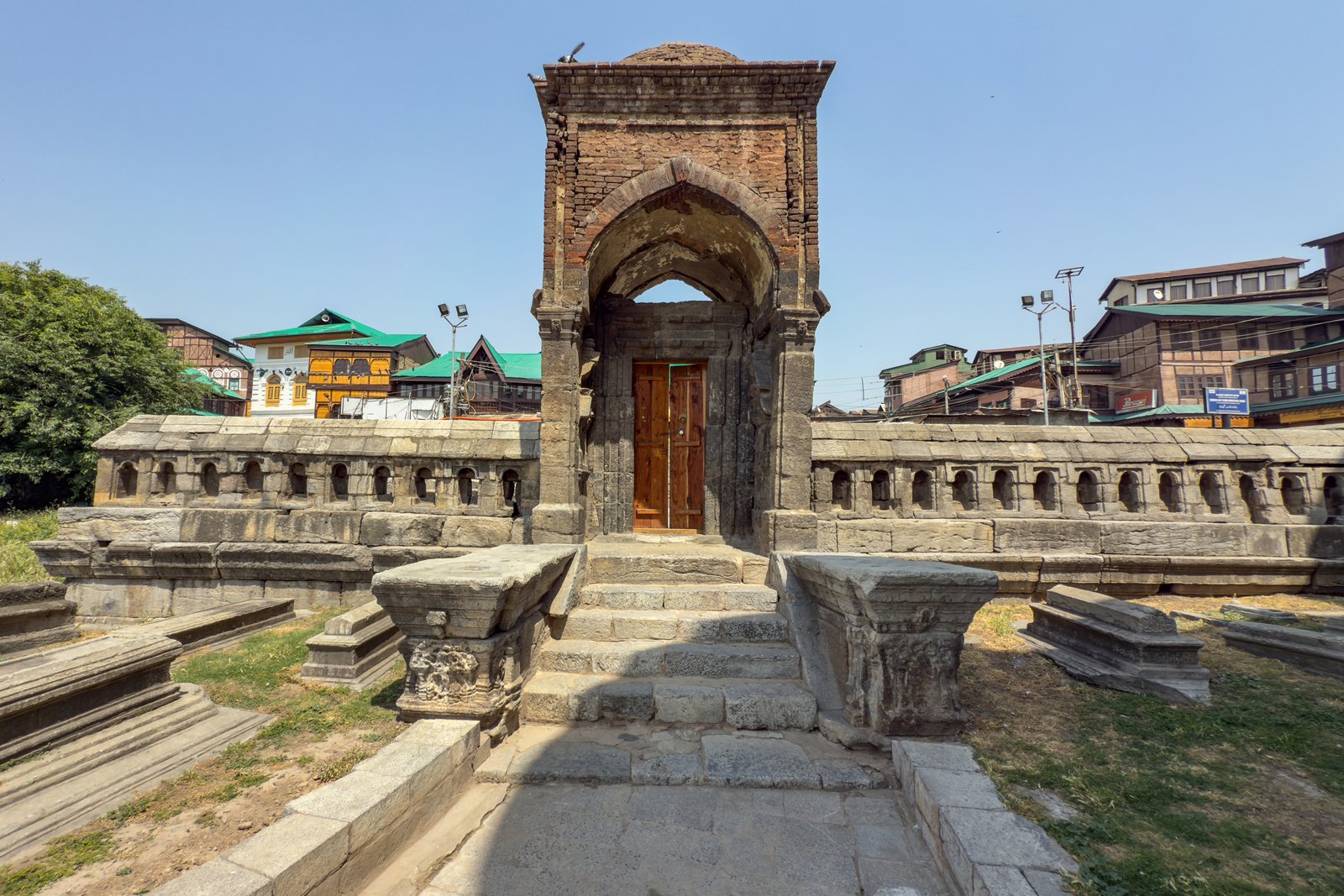
It was built in the 15th century and serves as the final resting place of Sultan Zain-ul-Abidin’s mother. Zain-ul-Abidin, also known as "Budshah" (meaning “Great King”), was one of the most revered rulers of Kashmir, celebrated for his tolerance, reforms, and promotion of art and culture.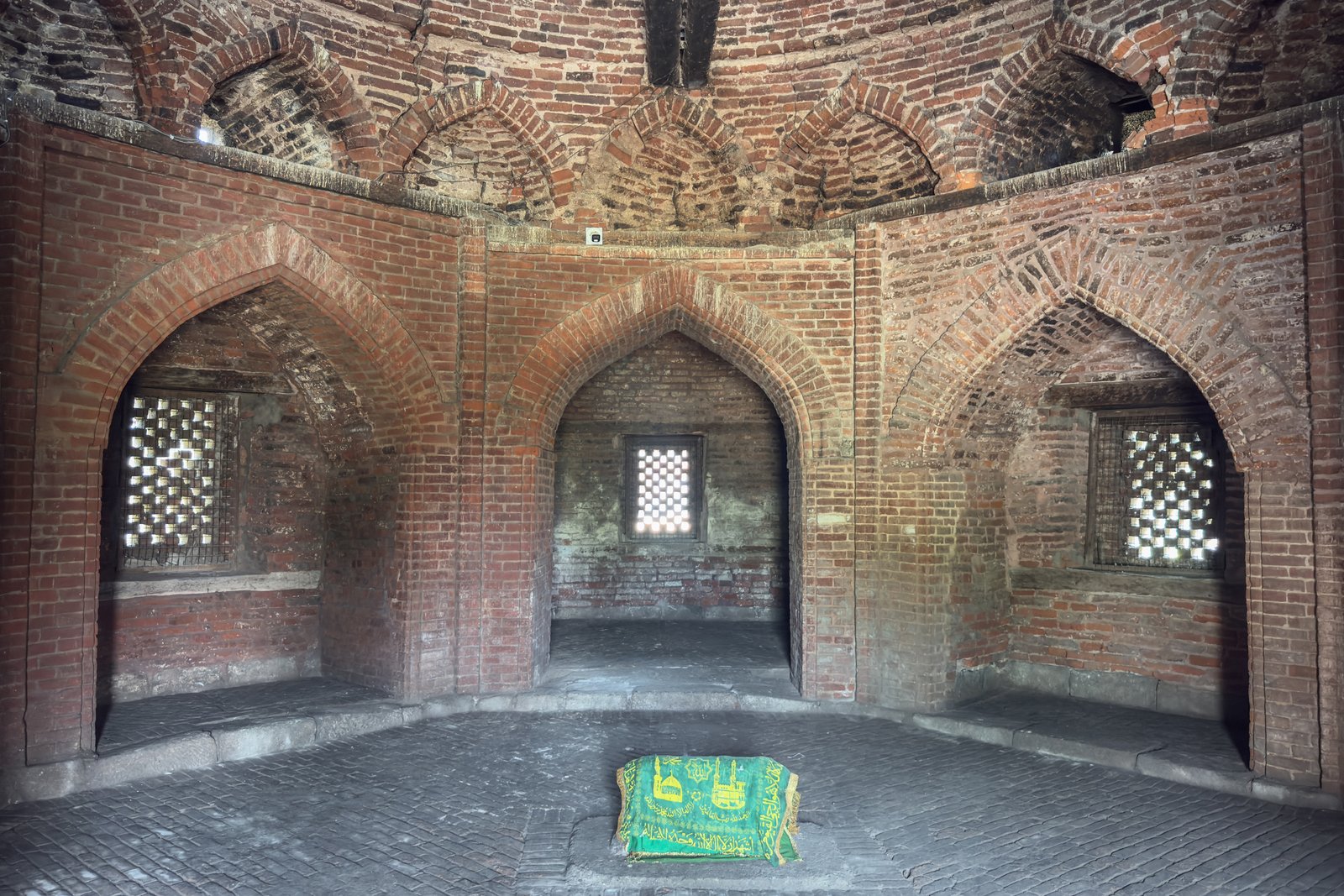
- Architecture: The tomb showcases a mix of Central Asian and Persian influences, with traditional Kashmiri features. Built primarily of brick, it is notable for its bulbous dome and the simplicity of its design, reflecting the architectural aesthetics of that period.
- Historical Significance: It stands as a testament to Kashmir's rich medieval past and Zain-ul-Abidin’s enlightened rule. His era is often referred to as a golden age in Kashmiri history, marked by religious tolerance, economic prosperity, and patronage of learning and crafts.
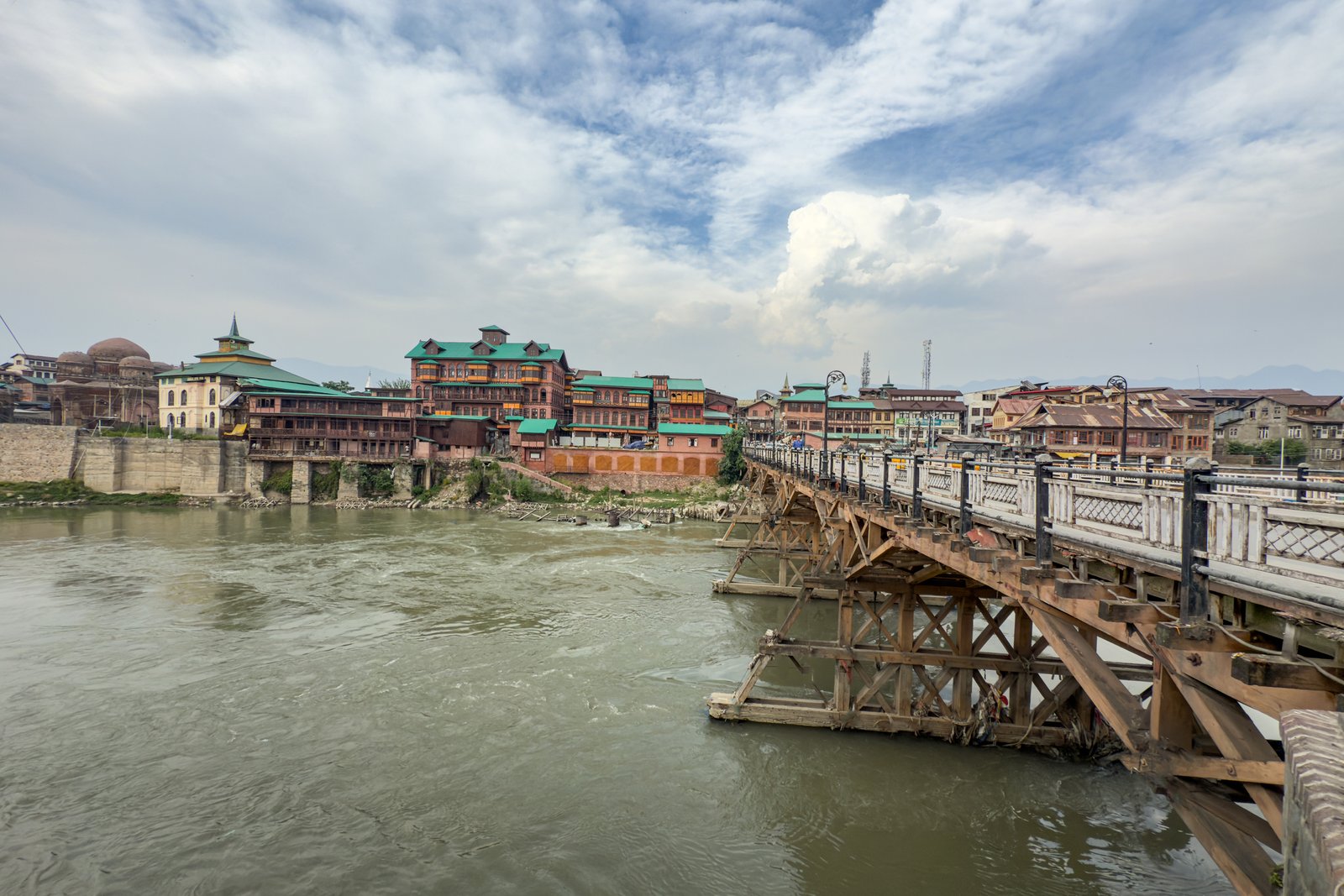
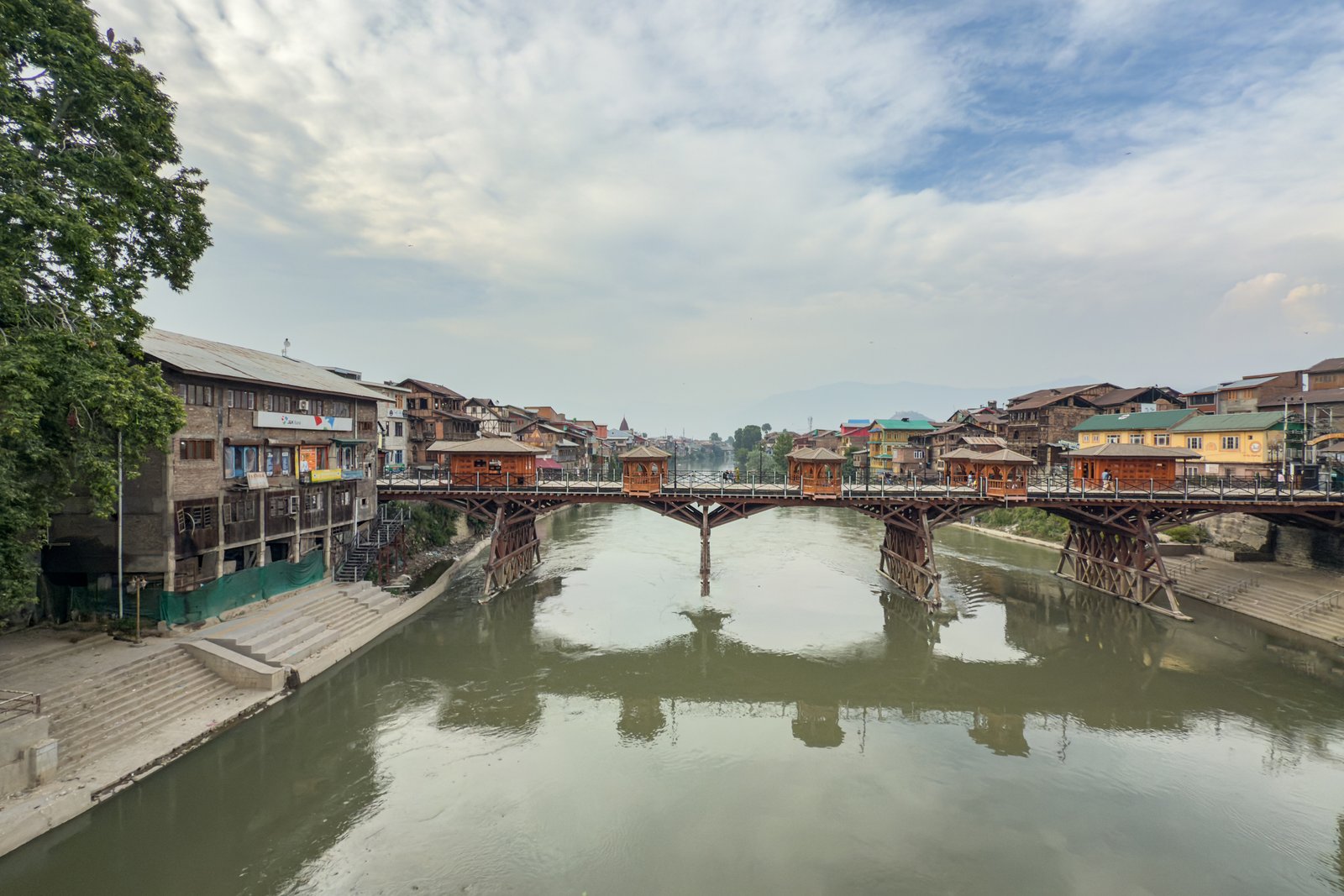
- Location: It is situated near Zaina Kadal (a historic bridge) on the banks of the River Jhelum in downtown Srinagar, a part of the city that still preserves much of its traditional charm.
- Current Status: While not as tourist-heavy as other monuments in Kashmir, the Budshah Tomb is protected by the Archaeological Survey of India and remains a significant heritage site, drawing interest from historians, architects, and cultural enthusiasts.
Comments 0
Most Read
Recommended Post



Leave a Comment